
Chakwali | The Last Village of Kashmir | Complete Travel Guide to Gurez's Remotest Frontier Settlement
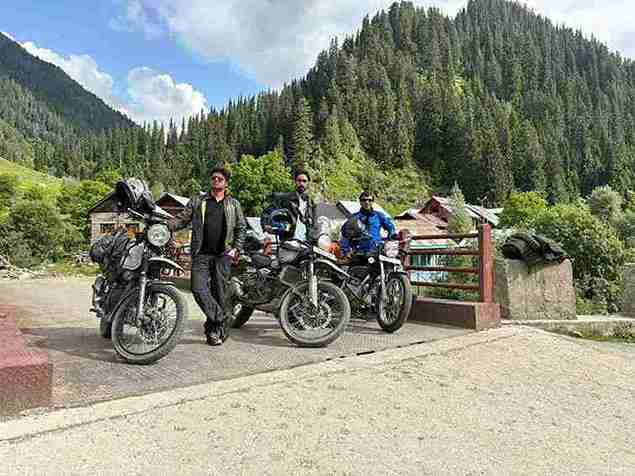
There is a point in Kashmir where the road simply stops. Not because of a landslide, not because of construction — because there is nowhere left to drive. That point is Chakwali, a small cluster of wooden and mud houses in the Tulail tehsil of Gurez Valley, Bandipora district, sitting almost against the Line of Control. Beyond Chakwali there is no village, no settlement, no tea stall — only a trek route toward Dras on one side and Pakistan-administered territory on the other.
Most people who visit Gurez never see it. Tourism in the valley stops at Dawar, the small town with the hotels, the ATMs, and the market. Chakwali is another 65 kilometres beyond that, down a road that is tarred for the first 10 kilometres and rough, unpaved track for the rest. This guide — written from a Kashmir-based travel company's on-ground experience of the Gurez and Tulail route — covers exactly how to reach Chakwali, the permits you will need, the best time to go, and what to actually expect once you get there.
Where is Chakwali, and Why is it Called the Last Village of Kashmir?
Chakwali is a remote border village in the Tulail Valley of Gurez, Bandipora district, Jammu and Kashmir, sitting at an elevation of roughly 3,350 metres (10,990 to 11,500 feet). It lies along the Kishanganga River, close to the Line of Control, and is recognised as the last inhabited Indian village in this sector of North Kashmir. Past Chakwali, the road ends entirely — the only way forward is on foot, toward a high-altitude trek route, or across the LoC into Pakistan-administered Gilgit-Baltistan territory, which is of course off-limits.
The residents belong to the Dard-Shina community, an ethnic group whose language, Shina, is one of the rarer Dardic tongues still spoken in the Himalayas. Locals here speak both Shina and Kashmiri, and their way of life — agriculture, animal husbandry, and handloom crafts — has changed very little for generations. Because Chakwali is so far beyond Dawar and so difficult to reach, it remains one of the very few places left in Kashmir that genuinely qualifies as untouched.
How to Reach Chakwali From Srinagar
Getting to Chakwali is not a short trip — it is a full-day, multi-stage journey, and the route needs to be understood in three parts.
| Stage | Route | Distance | Road Condition |
|---|---|---|---|
| Stage 1 | Srinagar → Bandipora → Tragbal → Razdan Pass → Dawar | Approx. 120–130 km | Paved mountain road, subject to Razdan Pass snow closure |
| Stage 2 | Dawar → Tulail (via Badoab, Zarwan, Sheikhpora) | Approx. 40 km | Mixed — narrow but mostly motorable, riverside track |
| Stage 3 | Tulail → Chakwali | Remaining stretch of the 65 km from Dawar | First 10 km tarred, the rest rough dirt and off-road track |
In total, the drive from Srinagar to Chakwali covers roughly 190 kilometres and takes 10 to 12 hours depending on the condition of the Dawar-to-Chakwali stretch and how many checkpoints are active that day. Because of this, almost nobody attempts Chakwali as a day trip from Srinagar — the practical way to do it is to base yourself in Dawar for a night or two and drive out to Chakwali and back as a dedicated day trip from there.
A 4x4 vehicle with a local driver who knows the Tulail route is strongly recommended for the final stretch — the road tests suspension and patience in equal measure, and a driver unfamiliar with the terrain will slow the trip down considerably. The nearest civil airport is Srinagar International Airport, about 190 km away, and the nearest helipad is at Markoot village, near Dawar.
Permits Required to Visit Chakwali
Because Chakwali sits directly on the Line of Control, it is treated as a sensitive border zone and travel here is regulated. Here is what you actually need:
- Indian nationals: A valid government-issued photo ID is mandatory at all times — and specifically your Aadhaar card. Other IDs such as Voter ID, PAN, or Driving Licence are not accepted at the Chakwali checkpoints. Carry a few photocopies of your Aadhaar for submission.
- Permit issuance: A local permit is obtained from the J&K police station in Dawar (or the local administrative office in Bandipora), typically issued one day in advance of travel.
- Checkpoints: Your ID details are logged at multiple army and police checkpoints between Dawar and Tulail, and again en route to Chakwali.
- Foreign nationals: Foreigners are not permitted to travel to Chakwali or other areas this close to the LoC, due to security restrictions in the sector.
- Photography rules: Photographing village life, homes, and landscapes is generally allowed, but photographing military bunkers, personnel, or communication equipment is strictly prohibited.
Because permit rules and checkpoint status can change with the security situation on short notice, always confirm current requirements with a local operator or the Dawar police station before you travel.
Best Time to Visit Chakwali
Chakwali's accessibility is entirely dictated by the Razdan Pass and how much of the Tulail riverside track has been cleared of snow. This gives it one of the shortest travel windows of any destination in Kashmir.
| Month | Conditions |
|---|---|
| June | Pass opens, roads improving, greenery returning — but conditions can still be unpredictable early in the month |
| July | Prime travel window opens fully; occasional showers |
| August | Peak accessibility, most stable ground conditions, vibrant meadows |
| September | Widely considered the best month — clear skies, golden Tulail meadows, quieter roads |
| Early October | Still visitable but crisp and unpredictable; weather can shift suddenly |
| November to May | Completely cut off — 15 to 20 feet of snow seals the Tulail Valley and Razdan Pass for roughly six months |
Daytime temperatures in summer stay comfortable, between 12°C and 20°C, but nights remain cold — often dropping to around 5°C even in mid-July because of the altitude. Pack layers regardless of when you go.
Where to Stay Near Chakwali
There are no hotels or guest houses in Chakwali itself. This is part of what keeps it so untouched. Your two realistic options are:
- Homestays in Chakwali: Local families in the village offer homestay experiences — the only way to actually stay overnight in Chakwali, and by far the most authentic. Expect simple wooden rooms, home-cooked meals, and genuine Dard-Shina hospitality, including the customary cup of Kahwa.
- Hotels in Dawar: The nearest formal hotels and guest houses are back in Dawar, roughly 65 km away. Most visitors base themselves here and treat Chakwali as a long day trip.
Cash is essential — ATMs are scarce to non-existent beyond Dawar, so carry sufficient money for the entire Tulail and Chakwali leg of the trip.
Things to Do and See in Chakwali
- Experience a genuine Dard-Shina village. Chakwali's wooden and mud houses, built specifically to survive brutal winters, are unlike anything else in the Kashmir Valley proper.
- Walk the Kishanganga riverbank. The river runs through the entire Tulail-Chakwali stretch, offering some of the most photogenic, least-visited riverside landscapes in Kashmir.
- Stand at the literal end of the road. Chakwali is where civilian access on the Indian side stops — past it lies only a trek route toward Dras and the LoC itself, with views extending toward Gilgit-Baltistan on a clear day.
- Off-roading and camping en route. The rough, unpaved 55 km stretch beyond the first 10 km from Dawar is itself part of the experience — dense forest, wooden hamlets, and river crossings along the way.
- Meet the Dard-Shina community. Agriculture, animal husbandry, and handloom weaving are still the backbone of daily life here — a rare, unstaged glimpse into a Himalayan border community.
What Not to Expect in Chakwali
Chakwali is not a tourist destination in the conventional sense, and it is worth being honest about that before you plan the trip:
- No restaurants or cafés. Meals come from your homestay family or whatever you carry with you.
- No mobile network reliability. Connectivity is extremely limited to non-existent past Dawar.
- No same-day return from Srinagar. The 10 to 12 hour one-way journey makes Chakwali unrealistic as anything but a multi-day trip built around a Dawar base.
- No guaranteed access. Weather, Razdan Pass conditions, and border security status can close the route with little notice, even inside the summer window.
Chakwali — Quick Reference
| Question | Answer |
|---|---|
| Where is Chakwali located? | Tulail Valley, Gurez, Bandipora district, Jammu and Kashmir, near the Line of Control |
| Elevation | Approx. 3,350 m (10,990–11,500 ft) |
| Distance from Dawar | 65 km (first 10 km tarred, rest unpaved) |
| Distance from Srinagar | Approx. 190 km, 10–12 hours by road |
| Best time to visit | Late June to mid-September; September is considered the best month |
| Accommodation | Homestays only in Chakwali; hotels available in Dawar |
| Permit required for Indians | Yes — local police permit from Dawar/Bandipora; Aadhaar mandatory |
| Can foreign nationals visit? | No — restricted due to proximity to the LoC |
| Community | Dard-Shina, speaking Shina and Kashmiri |
FAQs — Chakwali, the Last Village of Kashmir
Why is Chakwali called the last village of Kashmir?
Chakwali is the last inhabited Indian village in the Tulail tehsil of Gurez Valley, sitting near the Line of Control. Civilian road access ends at Chakwali — beyond it there is no further settlement on the Indian side, only a trek route toward Dras and the border itself.
How do I reach Chakwali from Srinagar?
The route runs Srinagar → Bandipora → Tragbal → Razdan Pass → Dawar (approx. 120–130 km), then Dawar → Tulail → Chakwali (approx. 65 km, of which only the first 10 km are tarred). The full one-way journey takes 10 to 12 hours, so most travellers base themselves in Dawar rather than attempting it as a day trip from Srinagar.
Do I need a permit to visit Chakwali?
Yes. Indian nationals need a local permit issued by the J&K police station in Dawar or the administrative office in Bandipora, usually a day in advance, and must carry their Aadhaar card — other ID types are not accepted at checkpoints. Foreign nationals are not permitted to visit Chakwali due to its proximity to the Line of Control.
Is there any hotel or accommodation in Chakwali?
There are no hotels or guest houses in Chakwali. Local families offer homestay experiences for overnight stays, which is the only way to actually stay in the village. The nearest formal hotels are in Dawar, about 65 km away.
What is the best time to visit Chakwali?
Late June to mid-September is the only reliable travel window, with September widely considered the best month for clear skies, golden meadows, and the most stable road conditions. From November to May, the Tulail Valley and Razdan Pass are completely cut off by 15 to 20 feet of snow.
Who lives in Chakwali?
Chakwali is home to the Dard-Shina community, who speak both Shina and Kashmiri. Their lifestyle centres on agriculture, animal husbandry, and traditional handicrafts, and their wooden-and-mud homes are built specifically to withstand the region's harsh winters.
Is Chakwali safe to visit?
Chakwali is accessible to Indian nationals with a valid permit and ID, and the army maintains checkpoints throughout the route. That said, it is a sensitive border area near the Line of Control, so travellers should follow all permit, ID, and photography rules strictly and check current road and security conditions before setting out.
Plan Your Gurez and Tulail Valley Trip With Thrill Top Journeys
Chakwali is best experienced as part of a wider Gurez Valley trip, based out of Dawar with a local driver who knows the Tulail route. Our team can help plan your permits, stay, and itinerary for this offbeat stretch of North Kashmir.
- Call or WhatsApp: +91 9797776779
- Browse All Kashmir Tour Packages
Author Bio
Aaqib Bhat is a Kashmir-based travel writer and SEO specialist at Thrill Top Journeys, covering offbeat and border-region destinations across North Kashmir.