
Changthang, Ladakh The Untamed High-Altitude Plateau of the Himalayas
Changthang is one of the most remote and spectacular regions of eastern Ladakh. Known as the “Northern Plateau,” this vast high-altitude cold desert sits at an average elevation of over 4,000 meters above sea level. The landscape is defined by endless plains, shimmering saltwater lakes, snow-covered peaks, and a resilient nomadic culture that has survived for centuries in extreme conditions.
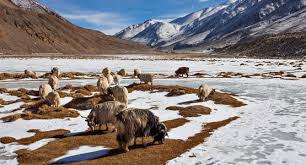
If you are searching for untouched Himalayan beauty, rare wildlife, dramatic landscapes, and authentic Ladakhi culture, Changthang offers an experience unlike anywhere else in India.
Where is Changthang Located?
Changthang lies in eastern Ladakh near the Indo-Tibetan border. The region begins beyond Leh and stretches toward Pangong Tso, Tso Moriri, Hanle, and other remote settlements. Due to its strategic location, certain areas require Inner Line Permits (ILP) for Indian travelers and Protected Area Permits (PAP) for foreign nationals.
Top Places to Visit in Changthang
Pangong Tso
Located at approximately 4,350 meters, Pangong Tso is a world-famous high-altitude lake known for its changing shades of blue. Stretching across India and Tibet, it is one of the most photographed destinations in Ladakh.
Tso Moriri
Tso Moriri, situated near Korzok village, is quieter and less commercialized than Pangong. Surrounded by towering mountains, it is ideal for travelers seeking peace and dramatic scenery.
Tso Kar
Also known as the “White Lake” because of salt deposits along its banks, Tso Kar is a paradise for bird watchers and wildlife enthusiasts.
Hanle
Hanle is famous for housing one of the highest astronomical observatories in the world. With almost zero light pollution, it is perfect for stargazing and astrophotography.
Korzok Village
A small settlement near Tso Moriri, Korzok offers insight into the lifestyle of the Changpa nomads and traditional Ladakhi culture.
Wildlife in Changthang
The region is part of the Changthang Cold Desert Wildlife Sanctuary and is home to rare Himalayan species such as:
- Kiang (Tibetan Wild Ass)
- Snow Leopard (rare sightings)
- Himalayan Marmot
- Black-necked Crane
- Tibetan Gazelle
Culture of the Changpa Nomads
The Changpa are semi-nomadic pastoralists who rear pashmina goats and yaks. They are responsible for producing some of the world’s finest pashmina wool. Visitors can witness traditional yak-hair tents and a lifestyle deeply connected to the harsh yet beautiful environment of the plateau.
Best Time to Visit Changthang
The ideal time to visit is between June and September when roads are accessible and temperatures are manageable.
- June–July: Pleasant weather and melting snow.
- August: Clear skies and ideal photography conditions.
- September: Fewer crowds and golden landscapes.
Winters are extremely harsh, with temperatures dropping below -20°C and limited road access.
Altitude & Travel Precautions
Since Changthang lies above 4,000 meters, acclimatization in Leh for at least 48 hours is strongly recommended.
- Stay hydrated
- Avoid alcohol initially
- Recognize AMS symptoms (headache, nausea, dizziness)
- Consult a doctor before travel if you have medical conditions
How to Reach Changthang
By Air: Fly to Leh Airport.
By Road: Hire a taxi or join a guided tour from Leh. Roads are generally open from late May to September.
Accommodation Options
- Lakeside camps near Pangong
- Guesthouses in Korzok and Hanle
- Local homestays
Facilities are basic but comfortable, with limited luxury options due to the remote nature of the region.
Ready to Explore Changthang?
Exploring the vast landscapes of Changthang requires careful planning, inner-line permits, experienced local guides, and reliable transportation due to its high-altitude terrain and remote location.
From arranging permits and comfortable stays to curated itineraries covering Pangong Lake, Tso Moriri, Hanle, and authentic Changpa experiences — we at Thrill Top Journeys ensure a safe, seamless, and unforgettable Ladakh expedition.
Book your Changthang adventure today and experience the untouched beauty of Ladakh’s high-altitude plateau.
Enquire Now & Plan Your Changthang TripFAQs About Changthang
What is Changthang famous for?
Changthang is famous for its high-altitude lakes such as Pangong Tso and Tso Moriri, vast cold desert landscapes, rare wildlife, and the nomadic Changpa culture.
Do I need a permit to visit Changthang?
Yes, Indian tourists require an Inner Line Permit (ILP), while foreign nationals need a Protected Area Permit (PAP) to visit certain areas.
How many days are enough to explore Changthang?
A minimum of 3 to 4 days is recommended to explore Pangong Lake, Tso Moriri, and nearby attractions comfortably.
Is Changthang safe for tourists?
Yes, Changthang is generally safe for travelers. However, due to high altitude and remote terrain, proper planning and acclimatization are essential.
Can I visit Changthang in winter?
Winter travel is extremely challenging due to sub-zero temperatures and road closures. Only experienced travelers with proper arrangements should consider winter visits.
Is there mobile network connectivity in Changthang?
Mobile connectivity is limited. Some areas near Pangong may have BSNL or limited local network coverage, but most remote areas have no signal.
What wildlife can I see in Changthang?
You may spot Kiang (wild ass), Himalayan marmots, black-necked cranes, Tibetan gazelles, and occasionally snow leopards.
What makes Changthang different from other parts of Ladakh?
Changthang is characterized by wide open high-altitude plains and saltwater lakes, unlike the rugged valleys of Nubra or the monastery-rich landscapes around Leh.
Author: Aaqib Bhat | Travel Writer & Digital Marketer