
Everything You Need To Know About Chillai Kalan The 40-Day Period That Defines Kashmir's Winter
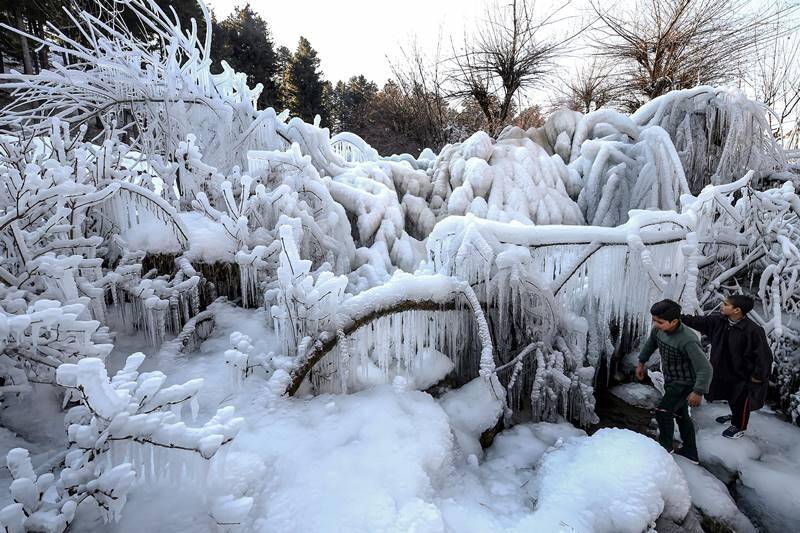
Chillai Kalan (also spelled Chilai Kalan or Chilli Kalan) is not just a phrase in Kashmir; it is a season within a season. Literally translating to "Major Cold," this 40-day period represents the harshest, most unforgiving phase of winter in the valley. It is the time when the thermometer bottoms out, water bodies freeze over, and the valley is frequently blanketed under heavy snow.
While winter lasts for months, these specific 40 days define life, culture, and survival in the region. Whether you are searching for the exact Chillai Kalan start date or trying to understand why this period matters so much to the local ecology, this guide covers every detail.
The Three Phases of Winter
Kashmiri tradition divides winter into three distinct parts, almost like a family of cold spells. The intensity decreases as we move from the "Great" cold to the "Baby" cold.
-
Chillai Kalan (The Great Cold):
Dec 21 – Jan 29 (40 Days)
The most severe period. This is when the heavy snowfall usually happens, setting the base for the glaciers. -
Chillai Khurd (The Small Cold):
Jan 30 – Feb 18 (20 Days)
The cold persists, but the bite is slightly less sharp. Snowfall can still occur, but days begin to stretch slightly longer. -
Chillai Bachha (The Baby Cold):
Feb 19 – Feb 28 (10 Days)
The final tail of winter. It is unpredictable—sometimes mild, sometimes surprisingly cold—before spring officially breaks.
Exact Dates & The Solstice Connection
If you are looking for the precise timing, Chillai Kalan begins every year on December 21st and ends on January 29th.
This date isn't random. December 21st marks the Winter Solstice in the Northern Hemisphere—the shortest day and the longest night of the year. Scientifically, this is the turning point where the sun is at its lowest, triggering the deep freeze that characterizes the next six weeks.
Weather Patterns: How Cold Does It Get?
During this phase, the valley turns into a refrigerator. The drop in temperature is drastic and sustained.
- Night Temperatures: In inhabited areas like Srinagar, mercury often dips between -5°C to -15°C.
- High Altitudes: Areas like Gulmarg and Pahalgam frequently see temperatures plummeting to -20°C or lower.
- Snowfall: Because of the low sun exposure, snow doesn't melt quickly. It accumulates, layer upon layer, creating the white landscapes Kashmir is famous for.
Recent Trends: In the last few years, Srinagar has recorded some of its coldest nights in decades during this period, reinforcing that despite global warming, Chillai Kalan remains a formidable force.
Daily Life & Impact
When Chillai Kalan hits, daily life changes to accommodate the freeze. It’s not business as usual.
Infrastructure Challenges
Water pipes frequently freeze and burst. Tap water becomes a luxury in some areas, requiring people to melt snow or use heated reserves. Transport is also hit hard; the Srinagar-Jammu highway often closes due to snow accumulation, disrupting supply chains.
Heating Culture (The Kangri)
With electricity often unreliable during snowstorms, locals rely on the Kangri—an earthen pot filled with embers and encased in wicker. Worn under the Pheran (long cloak), it provides portable heat. It is the lifeline of the Kashmiri household during these 40 days.
Why We Need the Cold (Ecological Importance)
While the cold is difficult for humans, it is absolutely vital for the environment. A "warm" winter is actually bad news for Kashmir. Here is why Chillai Kalan is ecologically necessary:
- Water Security: The snow that accumulates during these 40 days freezes hard. This "snowpack" acts as a reservoir that melts slowly in summer, feeding the springs, rivers, and streams. Without it, the valley faces drought in June and July.
- Natural Pesticide: The extreme sub-zero temperatures kill off harmful pests and bacteria that threaten the apple orchards and saffron fields.
- Soil Stabilization: The delayed melting of deep snow keeps the soil moist and stabilizes the river systems, preventing flash floods later in the year.
Climate Change & Variability
The pattern of Chillai Kalan is shifting. In recent years, we have seen high variability—some winters bring record-breaking blizzards, while others are oddly dry ("Dry Chillai Kalan"). A dry winter is often more worrying than a snowy one, as it signals water shortages for the coming agricultural season.
Survival Tips for the 40 Days
Whether you are a resident or a brave traveler visiting during this time, preparation is key.
| Category | Action Required |
|---|---|
| Clothing | Layering is non-negotiable. Thermal inners, heavy woolens, and windproof outer layers are a must. |
| Plumbing | Insulate exposed water pipes with foam or old cloth to prevent freezing and bursting. |
| Supplies | Keep a stock of dried vegetables, pulses, and essential medicines, as markets may be inaccessible during heavy snow. |
| Safety | If using a Kangri or gas heater, ensure proper ventilation to prevent carbon monoxide buildup and burns. |
Frequently Asked Questions
What is the exact start date of Chillai Kalan?
It starts strictly on December 21st every year.
How cold does it actually get?
Expect temperatures between -5°C and -10°C in the plains (Srinagar), and down to -20°C in ski resorts like Gulmarg.
What is the difference between Chillai Kalan and Chillai Khurd?
Chillai Kalan (40 days) is the harshest phase. Chillai Khurd (20 days) follows it; it is still cold but generally less intense.
Is 'Chilli Kalan' the same thing?
Yes. Chilli Kalan, Chilai Kalan, and Chillai Kalan are just different spellings for the same 40-day winter period.
Why does it start on December 21?
It aligns with the astronomical Winter Solstice, the point when the sun is lowest in the sky for the Northern Hemisphere.
What is Chillai Kalan?
Chillai Kalan is the harshest 40-day winter period in Kashmir, lasting from December 21 to January 30. During this time, temperatures drop sharply, water bodies freeze, and heavy snowfall is common across the valley.
What comes after Chillai Kalan?
After Chillai Kalan comes Chillai Khurd, a milder 20-day winter phase from January 31 to February 19. This is followed by Chillai Bacha, a 10-day period marking the gradual end of extreme winter.
Can we visit Kashmir during Chillai Kalan?
Yes, Kashmir can be visited during Chillai Kalan, especially by travelers seeking snowfall and winter experiences. However, visitors should be prepared for extreme cold, road closures, and limited mobility, particularly in higher-altitude areas.
Which is the coldest place in Kashmir?
Gulmarg and Drass are among the coldest places in Kashmir. While Gulmarg is the coldest tourist destination, Drass, often called the second coldest inhabited place in the world, records the lowest winter temperatures.
Further Reading
Planning to brave the cold? Check out these guides:
- Ladakh Travel Guide (The cold desert neighbor)
- Wular Lake Guide (See the winter mist on the lake)
- Baramulla Travel Guide
Chillai Kalan is more than just weather; it is a test of resilience and a critical part of the Kashmiri ecosystem. Understanding it helps you respect the rhythm of life in the Himalayas.
Author: Aaqib Bhat