
Hardushiva Sopore | Kashmir | Hidden Gem of Baramulla
Hardu Shiva (often spelled HarduShiva or Hardū-Shīvā) is a village in the Zang Air (Zaingair) belt near Sopore in Baramulla district , Jammu & Kashmir. This guide is written for travellers, researchers, and local stakeholders who want an in-depth, practical overview of Hardu Shiva — its geography, culture, economy, and tourism & development potential.
Location & Geographic Overview — Hardu Shiva’s Setting in the Zang Air Belt
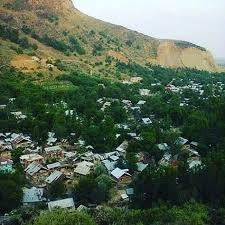
Hardu Shiva sits roughly 10 km from the town of Sopore and is part of the irrigated Zang Air canal belt. The area's characteristic features include fertile orchard land, canal irrigation channels, and low hilly backdrops — a landscape that supports apples, other fruit orchards, and mixed agriculture.
- Administrative: Baramulla district, Sopore tehsil.
- Agriculture: Canal irrigation supports intensive orchards and cropping.
- Access: Road links to Sopore; nearest large market and services are in Sopore town.
History & Cultural Significance — Shrine, Farming Traditions, and Local Identity
Hardu Shiva is known locally for the ziyarat (shrine) of Khawaja Hassan Qari and its longstanding agricultural traditions. Over generations the village has built an identity around orchard farming, canal-based irrigation and community shrines — making it both an agrarian and cultural node within the Zang Air region.

Demographics & Socio-Economic Profile (Who Lives and Works Here)
Hardu Shiva’s population is predominantly rural, with a large share of households dependent on agriculture and orchards. Literacy and infrastructure levels reflect typical rural north Kashmir dynamics: meaningful progress over time but still clear opportunity areas in education and women’s literacy.
- Population & households: Village population in the thousands; multiple small hamlets and family clusters.
- Economy: Orchard workers, small traders, government employees and livestock farming.
- Infrastructure: Local schools, a primary health centre and road access to Sopore.
Economic & Development Opportunities — Orchards, Agribusiness and Rural Tourism
Hardu Shiva’s strongest assets are its fertile land and proximity to Sopore’s fruit market. That creates immediate opportunities in three areas:
- Value-added fruit processing: small drying, juice, packaging units for apples and pears.
- Rural & cultural tourism: home-stays, orchard walks, shrine visits and seasonal experiences (blossom to harvest).
- Livestock & allied agriculture: expand sheep-breeding and small-scale dairy or wool processing.
Mitigating challenges
To realise these opportunities, stakeholders should prioritise road signage, basic visitor amenities, skill training for youth (post-harvest handling, hospitality) and sustainable water management to protect long-term farm productivity.
Visitor Information — What to See, When to Go, and Practical Tips
If you’re planning a visit, here’s a short travel checklist and what to expect:
- Best times: April–May (apple blossom) and September–October (harvest).
- Transport: Reach Sopore by road; local transport or private vehicle to Hardu Shiva.
- Stay: Base yourself in Sopore and plan a day trip — homestays can be arranged with local hosts where available.
- Etiquette: Dress modestly, ask before photographing private property, and seek permission before visiting shrines or farms.
How Hardu Shiva Connects to the Region — Sopore, Zang Air and the Fruit Value Chain
Hardu Shiva benefits directly from Sopore’s large fruit mandi and the wider Zang Air irrigation network. This connection lowers transactional friction for farmers who sell produce and for entrepreneurs seeking to build processing or tourism offerings.
Actionable Next Steps — For Visitors, Researchers and Entrepreneurs
Depending on your interest, here are clear next steps:
- Visitors: Arrange a guided orchard tour and shrine visit through a local contact or tour operator based in Sopore.
- Researchers: Propose a short field study on irrigation, orchard yields, or female literacy interventions.
- Entrepreneurs & NGOs: Pilot a small fruit-processing unit or rural tourism homestay program with local partners.
Further Reading & External Resources
For regional context and additional information, explore these authoritative sources:
- Greater Kashmir — regional reporting and culture.
- VillageInfo — demographic and village directory data.
- Wikimapia — local map annotations and community notes.
- Sopore (Wikipedia) — context on the nearby town and fruit market.
Conclusion
Hardu Shiva is a compact but rich case study of rural Kashmir: a village where agriculture, spiritual heritage and proximity to market infrastructure combine to offer tourism, agribusiness and community development opportunities. With targeted investments in skills, modest visitor amenities, and a clear local brand, Hardu Shiva can become a model for sustainable village-level growth in the Zang Air belt.
Author: Aaqib Bhat | Travel Writer & Digital Marketer