
Kashmir Great Lakes Trek (KGL) Complete Guide 2026
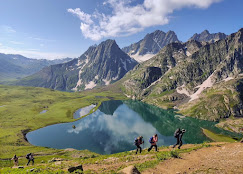
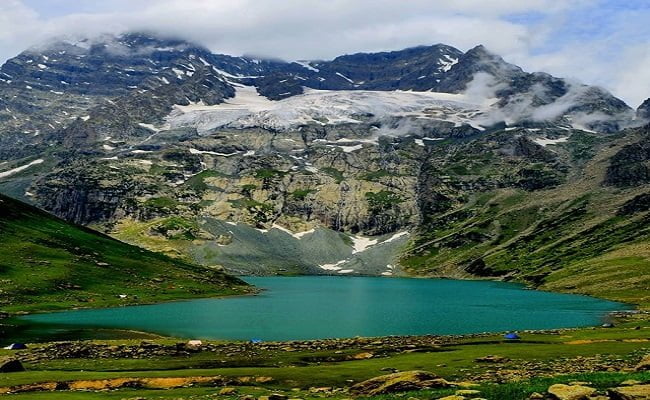
The Kashmir Great Lakes Trek (KGL) is widely regarded as one of the most scenic high-altitude treks in India. Spanning 70 to 75 km across the Kashmir Himalayas, it connects a chain of pristine glacial lakes, vast alpine meadows, and dramatic mountain passes over 7 to 8 days. Unlike treks that build toward a single viewpoint, the KGL trail delivers a completely new landscape every single day — turquoise lakes, rolling grasslands, snow bridges, shepherd settlements, and open ridgelines with 360-degree Himalayan views.
If you are looking for one trek in India that justifies every cliche about the Himalayas, this is it.
Where is the KGL Trek?
The Kashmir Great Lakes Trek is located in the Ganderbal district of Jammu and Kashmir. It starts from Sonamarg (80 km from Srinagar) and ends at Naranag village.
The entire route runs through the high-altitude alpine zone of the Kashmir Himalayas. The nearest airport is Srinagar International Airport, well connected to Delhi, Mumbai, and Bangalore. From Srinagar, Sonamarg is approximately a 2-hour drive.
KGL Trek — Quick Facts
| Detail | Information |
|---|---|
| Total Distance | 70 to 75 km |
| Duration | 7 to 8 days |
| Maximum Altitude | ~4,200 meters (13,800 ft) |
| Starting Elevation | ~2,730 meters (Sonamarg) |
| Difficulty Level | Moderate to Difficult |
| Best Time to Trek | July to September |
| Trek Type | Point to point, high-altitude alpine |
| Start Point | Sonamarg |
| End Point | Naranag |
How Long is the KGL Trek?
The Kashmir Great Lakes Trek covers approximately 70 to 75 km and takes 7 to 8 days to complete, trekking 10 to 15 km per day.
Most organised treks run as 8-day itineraries including the travel day from Srinagar to Sonamarg. The daily trekking duration ranges from 5 to 7 hours depending on the terrain and the specific day's route. The trek ends at Naranag from where transport back to Srinagar takes approximately 2 hours.
Is the KGL Trek Open in 2026?
Yes, the Kashmir Great Lakes Trek is open for the 2026 season. The trek typically opens in early July once snow on the high passes has cleared sufficiently and closes by late September or early October as winter sets in.
The exact opening date each year depends on snowmelt conditions at Gadsar Pass and Nichnai Pass, which are the two highest points on the route. July and August are the most reliably open months. If you are planning for early July, confirm current conditions with your trek operator before departure.
Is the KGL Trek Crowded?
The Kashmir Great Lakes Trek is moderately popular but significantly less crowded than treks like Kedarkantha or Triund. August is the busiest month. July and September are noticeably quieter.
Because the trek requires permits, registered guides, and organised logistics, the number of trekkers on the trail at any given time is controlled. You will encounter other groups at major campsites like Vishansar and Gangbal but will have stretches of the trail largely to yourself.
The Seven Great Lakes of Kashmir
The defining feature of this trek is the chain of glacial alpine lakes it passes through. Each lake has a distinct character and altitude.
Vishansar Lake
The first major lake on the route, located at approximately 3,650 meters. Surrounded by green summer meadows, Vishansar is famous for its sunrise reflections against the surrounding peaks. One of the most photographed spots on the trek.
Krishansar Lake
Situated close to Vishansar, Krishansar is known for its deeper cobalt-blue hue and trout-rich waters. The two lakes together form one of the most striking back-to-back lake scenes in the Himalayas.
Gadsar Lake
Accessed via the high Gadsar Pass (~4,200 meters), this is often the most dramatic section of the trek. The lake frequently remains partially frozen in early July and the surrounding snow patches create a genuinely otherworldly landscape.
Satsar Lakes
A cluster of seven interconnected alpine pools nestled in a remote valley. Their sizes vary year to year depending on snowmelt levels. A quiet and often overlooked highlight of the trail.
Gangbal Lake
One of the largest and most significant lakes on the trek, located at the foothills of Mount Harmukh. Gangbal Lake holds deep religious importance for Kashmiris and is the emotional centrepiece of the final days of the trek.
Nundkol Lake
A smaller emerald-green lake adjacent to Gangbal, equally beautiful and far less visited. The two lakes together make the Gangbal campsite one of the best on the entire route.
Altitude Profile and Terrain
The KGL trek crosses multiple passes above 4,000 meters. Trekkers should expect:
- Steep rocky ascents to Nichnai Pass and Gadsar Pass
- Long traverses across open alpine meadows
- Snow patches and occasional snow bridges in July
- Stream crossings on multiple days
- Gradual descents through deodar and pine forests toward Naranag
Proper acclimatisation is essential. Do not rush the early days even if you feel strong. Altitude sickness above 4,000 meters can develop quickly and is not related to fitness level.
Difficulty Level
The Kashmir Great Lakes Trek is rated moderate to difficult. The main challenges are:
- Daily distances of 10 to 15 km with elevation gain
- Two high passes crossing 4,000 meters
- Rapid weather changes — clear mornings can turn to afternoon thunderstorms
- Full 7 to 8 day commitment with no easy exit once you are mid-route
Beginners with good fitness can complete it. Prior trekking experience on at least one multi-day trail is strongly recommended. First-timers who go in well-prepared consistently rate it as the best experience of their lives.
Best Time to Do the KGL Trek
- July: Snow begins clearing, meadows turn green, some snow crossings remain on Gadsar Pass. Ideal for those who want a wintery high-altitude feel.
- August: Peak bloom. Wildflowers carpet every valley, lakes are crystal clear, weather is most stable. Busiest month on the trail.
- September: Golden autumn colours begin. Noticeably fewer trekkers. Nights get cold (0 to 5°C). One of the best months for photography.
Daytime temperatures range from 15 to 20°C. Night temperatures drop to 0 to 5°C even in peak summer. Carry warm layers regardless of the month.
Fitness Preparation — 6-Week Plan
Start training at least 6 weeks before your trek date:
- Brisk walking or jogging 5 km daily
- Stair climbing with a loaded backpack (10 to 12 kg)
- Squats and lunges for leg strength
- Core strengthening — planks, dead bugs
- Breathing and stamina exercises
The goal is to be comfortable walking 12 km with a 10 kg pack on consecutive days. If you can do that before arriving, you will enjoy the trek rather than just survive it.
Complete Packing List
Clothing
- 2 to 3 quick-dry trekking t-shirts
- Thermal inner layers (top and bottom)
- Insulated down jacket
- Waterproof and windproof outer jacket
- Fleece mid-layer
- 2 pairs trekking pants
- Warm gloves and woolen cap
Footwear
- Waterproof ankle-support trekking shoes (broken in before the trek)
- 4 to 5 pairs of merino or synthetic trekking socks
Gear
- 50 to 60L backpack with rain cover
- Trekking poles (highly recommended for passes)
- Headlamp with spare batteries
- Sleeping bag rated to -5°C (if not provided by operator)
Personal Essentials
- SPF 50+ sunscreen — UV intensity at altitude is severe
- UV-protected sunglasses
- Personal medication and first-aid kit
- Reusable water bottle (2L minimum)
- Water purification tablets
Cost of the Kashmir Great Lakes Trek
Organised KGL trek packages typically range from ₹12,000 to ₹18,000 per person. This usually includes:
- Camping tents and sleeping mats
- All meals on the trail
- Certified local trek guide
- Permits and documentation
- Porter or mule support for kitchen equipment
Transport from Srinagar to Sonamarg (start point) and Naranag to Srinagar (end point) is usually additional. Premium packages with better tents, dedicated guides per group, and higher quality meals can cost more.
Permits and Safety
- Carry valid government-issued photo ID at all times
- Register with local authorities at Sonamarg before the trek begins
- Trek only with a certified local guide — solo trekking is not recommended
- Stay hydrated throughout — dehydration worsens altitude sickness significantly
- Descend immediately if symptoms of AMS develop (severe headache, vomiting, confusion)
- Inform family of your route and expected return date before you lose mobile signal at Sonamarg
- Follow Leave No Trace principles — pack out all waste
Accommodation on the Trek
All accommodation on the KGL trek is in alpine campsites. Organised trek operators provide:
- Shared sleeping tents (2 to 3 people)
- Foam sleeping mats
- Portable toilet tents at each campsite
- Hot meals prepared by dedicated kitchen staff
- Clear skies at every campsite — stargazing at altitude is exceptional
Campsites are located near or directly beside the lakes — waking up to Vishansar or Gangbal Lake at sunrise from your tent is one of the defining experiences of this trek.
Plan Your KGL Trek with Thrillop
The Kashmir Great Lakes Trek requires experienced local guides, quality camping equipment, proper permits, and reliable transport logistics. Getting any of these wrong at 4,000 meters is not a minor inconvenience.
Thrillop is a Kashmir-based travel company founded in 2023. Our guides live in the valley, know these trails in every season, and have completed the KGL route multiple times. We handle everything — transport from Srinagar, permits, certified guides, camping setup, and meals — so you can focus entirely on the trek itself.
Call or WhatsApp us at +91 9797776779 to plan your KGL trek, get a customised quote, or ask any questions about the route.
Frequently Asked Questions
What is the Kashmir Great Lakes Trek (KGL)?
The Kashmir Great Lakes Trek (KGL) is a high-altitude Himalayan trek in the Ganderbal district of Jammu and Kashmir that connects multiple alpine lakes, meadows, and mountain passes over 7 to 8 days. It is widely considered one of the most scenic treks in India.
How long is the KGL Trek?
The total trekking distance is approximately 70 to 75 km, completed over 7 to 8 days trekking 10 to 15 km per day. Including travel from Srinagar, most organised KGL treks run as 8 to 9 day trips in total.
Where is the KGL Trek located?
The KGL Trek is located in the Ganderbal district of Jammu and Kashmir. It starts from Sonamarg, approximately 80 km from Srinagar, and ends at Naranag village.
Is the KGL Trek open in 2026?
Yes. The Kashmir Great Lakes Trek is open for the 2026 season from approximately early July to late September. The exact opening depends on snowmelt conditions at Gadsar Pass. Confirm current status with your trek operator before departure.
Is the KGL Trek crowded?
The KGL Trek is moderately popular but significantly less crowded than popular treks like Kedarkantha. August is the busiest month. July and September are noticeably quieter with fewer groups on the trail.
What is the maximum altitude on the KGL Trek?
The highest point on the trek is approximately 4,200 meters (13,800 feet), reached while crossing Gadsar Pass. Proper acclimatisation and gradual ascent are essential at this altitude.
Is the KGL Trek suitable for beginners?
Beginners with good physical fitness can complete the trek. It is rated moderate to difficult, so prior experience on at least one multi-day trek is strongly recommended. Proper 6-week fitness preparation makes a significant difference.
What does the KGL Trek cost?
Organised KGL trek packages typically cost between ₹12,000 and ₹18,000 per person including guide, camping, meals, and permits. Transport from Srinagar to Sonamarg is usually additional.
Is altitude sickness a risk on the KGL Trek?
Yes. The trek crosses elevations above 4,000 meters, which carries a real risk of Acute Mountain Sickness (AMS). Proper acclimatisation, staying hydrated, and ascending gradually are the best preventive measures. Descend immediately if severe symptoms develop.
Is mobile network available on the KGL Trek?
Mobile connectivity is extremely limited or completely unavailable after leaving Sonamarg. Inform family members of your route and expected return before you begin the trek.
Can the KGL Trek be done solo?
Solo trekking on the KGL route is not recommended. The terrain is remote, weather changes rapidly, and permits require registered operators. Joining an organised guided group is both safer and more practical.
Written by: Aaqib Bhat — Kashmir-based travel writer and SEO specialist covering trekking routes, destination guides, and travel experiences across Jammu and Kashmir for Thrillop.