
Keran Valley Kashmir Complete Travel Guide — Permits, Route and Things to Do
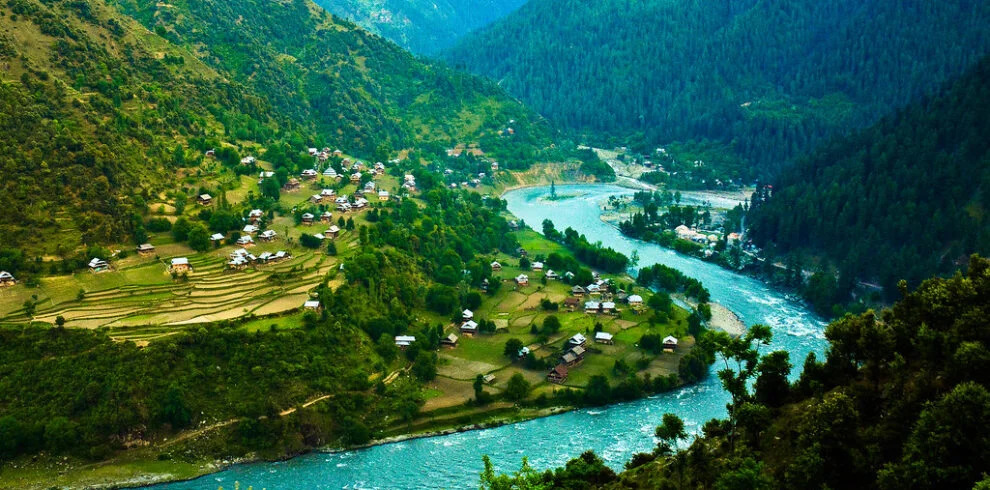
Keran Valley is one of the most remote and remarkable destinations in North Kashmir. Located approximately 140 km from Srinagar in the Kupwara district, Keran sits directly on the Line of Control along the banks of the Kishanganga River — the same river that flows into Pakistan-administered Kashmir as the Neelum River. From certain viewpoints in Keran, you can see villages on the other side of the border clearly. This geographical reality gives Keran a character that no other accessible Kashmir destination has: the quiet intensity of a borderland that was closed to tourists until 2021 and has only recently begun welcoming visitors.
The valley is home to the Shina-speaking Dardic community, traditional wooden Kashmiri houses, trout-rich waters, and forests of pine and deodar that have remained largely untouched by mass tourism. It is genuinely offbeat — not in the fashionable sense but in the literal sense of a place that very few people have been to.
Keran Valley — Key Facts
| Detail | Information |
|---|---|
| Location | Kupwara district, North Kashmir |
| Distance from Srinagar | ~140 km |
| Distance from Kupwara | ~47 to 50 km |
| Travel Time from Srinagar | 5 to 6 hours by road |
| Main River | Kishanganga River (Neelum River across the border) |
| Highest Point on Route | Farkyan Pass (Firkin Gali) — ~8,000 ft |
| Checkpoints | 7 to 9 checkpoints between Kupwara and Keran |
| Permit Required | Yes — mandatory special permit (LOC area) |
| Local Community | Shina-speaking Dardic people |
| Best Time to Visit | April to October |
| Opened to Tourists | 2021 |
Permit for Keran Valley — Everything You Need to Know
A special permit is mandatory to visit Keran Valley. The valley lies on the Line of Control and is in a restricted zone — you will not be allowed past Kupwara toward Keran without one. There are 7 to 9 military and police checkpoints between Kupwara and Keran where your permit is verified. Carry at least 9 photocopies of the permit along with copies of your government-issued photo ID before leaving Kupwara.
How to Get the Permit
- Online: Apply via the J&K government tourism portal. Apply at least one week in advance — online approvals take time and are not guaranteed on short notice. If you apply only 2 to 3 days before your trip, you may not receive a response in time.
- Offline in Kupwara: Visit the District Magistrate's office or the District Police Station in Kupwara to obtain the permit in person on the day. This is the more reliable option if you have not applied online. Arrive in Kupwara early morning to get the permit processed before starting the onward journey.
- Through a tour operator: Registered tour operators who cover North Kashmir routes can handle the permit process on your behalf. Thrillop can assist — call us at +91 9797776779 before your trip.
Important: Permits are subject to current security conditions. Always check local advisories and government regulations before planning your Keran trip. Access may be restricted during heightened security periods regardless of permit status.
How to Reach Keran Valley from Srinagar
The route from Srinagar to Keran Valley is: Srinagar → Handwara → Kupwara → Mandian → Keran Valley. Total distance approximately 140 km, travel time 5 to 6 hours.
Srinagar to Kupwara (90 km, 2.5 to 3 hours)
The first leg to Kupwara is on good road via Sopore and Handwara. Private cabs from Srinagar are the most convenient option. Shared sumos also run from KMD Stand in Srinagar to Kupwara.
Kupwara to Keran Valley (47 to 50 km, 2 to 2.5 hours)
After obtaining your permit in Kupwara, the second leg to Keran is on a narrow mountain road through Mandian. The road passes over the Farkyan Pass (Firkin Gali) at approximately 8,000 ft — the highest point on the Keran route and the most dramatic section of the drive. The road is winding and narrow for much of this stretch. A private cab or self-drive is strongly recommended. Shared taxis to Keran are available from Kupwara but are infrequent.
- By private cab from Srinagar: Most reliable option. Our cab service in Srinagar covers North Kashmir routes. Book a full-day cab for the Srinagar to Keran round trip.
- By bike from Srinagar: Riders who want to experience the Farkyan Pass on two wheels can rent a bike from our bike rental in Kashmir fleet. The road beyond Kupwara is manageable on a Royal Enfield or Hero Xpulse but requires mountain riding experience.
- By bus to Kupwara then local transport: Buses from Jahangir Chowk in Srinagar reach Kupwara. From Kupwara, take a shared sumo toward Keran — though these are infrequent and the last leg to the valley may require a local taxi.
Top Attractions in Keran Valley
Kishanganga River
The Kishanganga is the lifeline of Keran and the defining feature of the valley. The river flows between India and Pakistan-administered Kashmir along the LOC. In Keran it runs clear and fast, flanked by willows and meadows. Riverside walks, trout fishing, and simply sitting on the banks watching the current are the most popular activities in the valley. The sound of the river is the constant backdrop to everything in Keran.
Farkyan Pass (Firkin Gali)
At approximately 8,000 ft, the Farkyan Pass is the highest point on the road between Kupwara and Keran. The views from the pass across the valley floor toward the Kishanganga and the mountains of Pakistan-administered Kashmir are extraordinary. Most visitors stop here for photography before descending into the valley. The pass can have snow well into May and may be hazardous after heavy snowfall in the return journey.
LOC Viewpoints
From certain vantage points in Keran, you can clearly see villages on the Pakistani side of the Line of Control. Residents of both sides have reportedly waved to each other across the river in periods of calm. This border proximity is unlike anything available at any mainstream Kashmir destination and gives Keran a geopolitical gravity that adds depth to the visit.
Traditional Wooden Architecture
Keran's wooden houses are built in the traditional Kashmiri taq style — alternating layers of timber and stone that provide insulation against severe winters and flexibility against seismic activity. Walking through the village lanes between these structures, many of which have been standing for generations, is one of the most authentic heritage experiences in North Kashmir.
Dranyari and Rangwar Lalpora
Two smaller settlements in the Keran area worth visiting for those spending more than a day in the valley. Both offer quieter versions of the Keran landscape with fewer visitors and more direct access to local farming communities.
Things to Do in Keran Valley
- Trout fishing: The Kishanganga is rich in brown trout. Fishing with permission from local authorities is one of the most memorable activities in the valley. Local families can point you to the best spots and occasionally provide basic fishing equipment.
- Trekking to upper pastures: Short treks from the valley floor into the surrounding hillsides lead to high meadows with panoramic views of the LOC landscape and Kishanganga below. No technical experience required for the lower trails.
- Camping by the river: Riverbank camping with the Kishanganga as the soundtrack is the defining overnight experience in Keran. Carry your own gear — no commercial camping operators exist in the valley. Stay in designated areas and respect the military's presence in the region.
- Homestay experience: Keran's limited accommodation forces a close engagement with local Dardic families that more developed destinations cannot offer. Meals are home-cooked — Rogan Josh, Haak, Dum Aloo, Kashmiri bread — and the hospitality is genuine.
- Photography: The combination of the river, the border mountains, wooden architecture, and the Farkyan Pass gives Keran a visual range that is unlike any other Kashmir destination.
- Riding the Farkyan Pass: For motorcycle riders, the road over Farkyan Pass to Keran is one of the most rewarding and least ridden mountain passes in Kashmir. Combine with the bike rental for a genuine North Kashmir riding experience.
History of Keran Valley
Keran was historically a key trade route connecting Kashmir with Muzaffarabad — the capital of Pakistan-administered Kashmir — across the Kishanganga River. Traders, pilgrims, and travellers crossed here for centuries. The partition of 1947 and subsequent conflict turned this trading corridor into a military zone. The valley saw significant displacement during conflict periods, particularly during the 1990s when heavy cross-border firing forced many residents to relocate.
Following the India-Pakistan ceasefire of 2003 and subsequent improvement in border conditions, Keran was gradually reopened. Pakistani side access to Keran was opened in 2012, and the Indian side was formally opened to tourists in 2021. The relative peace that now characterises the valley is recent and fragile — which is also part of what makes a visit there feel significant.
Local Culture — The Dardic Community
The people of Keran are primarily of the Dardic ethnic group, speaking the Shina language — a language distinct from Kashmiri and more closely related to the Dardic languages of Gilgit-Baltistan across the border. This makes Keran culturally distinct from the rest of Kashmir in a very specific way. The community has maintained its traditional language, dress, and oral storytelling traditions through decades of isolation.
The Dardic community in Keran is known for its hospitality. Visitors who approach with respect and curiosity are typically welcomed warmly. Learning even a few words of Shina greeting goes a long way. Dress modestly and seek permission before photographing individuals, especially women.
Best Time to Visit Keran Valley
- April to June: Valley opens after winter, meadows green, wildflowers on the hillsides. Road over Farkyan Pass may still have snow in early April — verify before travel.
- July to August: Best weather, most stable road conditions, river full and clear. Peak visiting period for the few travellers who make it here.
- September to October: Autumn colours on the hillsides and valley floor. Crisp air, fewer visitors, excellent photography. One of the most rewarding times to visit.
- November to March: Valley accessible in early winter but the Farkyan Pass becomes hazardous with snowfall. Deep winter (January to February) is not recommended for most visitors. The valley is snow-covered and accommodation facilities are minimal.
Where to Stay in Keran Valley
Keran has minimal formal tourism infrastructure — which is both the challenge and the attraction.
- Homestays with local families: The primary accommodation option. Basic rooms, home-cooked meals, genuine hospitality. Arrange through your tour operator or ask at the first checkpoint after Kupwara for directions to homestay-friendly families in the valley.
- Camping: River-side camping is possible with your own gear. Speak with the local army post on arrival to confirm designated camping areas and stay within them.
- Kupwara town: The most reliable backup accommodation option with guesthouses and small hotels, 47 to 50 km from the valley. A sensible base if you are day-tripping into Keran.
Carry sufficient cash — no ATMs exist in Keran Valley. Stock up in Kupwara town before the final stretch.
Travel Tips for Keran Valley
- Apply for the permit at least one week in advance online. If applying offline, arrive at the Kupwara DM or police office early morning before beginning the drive to Keran.
- Carry at least 9 photocopies of your permit and government-issued photo ID — one for each checkpoint between Kupwara and Keran.
- Verify road conditions and current security situation before travel. Access is subject to change based on border conditions.
- Start from Srinagar early — no later than 6 AM. The drive takes 5 to 6 hours and you want to clear all checkpoints and reach Keran with time to actually experience the valley before the return journey.
- Carry warm layers regardless of the month. The Farkyan Pass at 8,000 ft is cold even in summer, and evenings in the valley drop significantly.
- Do not venture toward the river bank at night or stray toward the LOC fence. Respect all military instructions and stay within designated civilian areas.
- No mobile connectivity beyond Kupwara. Inform someone of your full itinerary before leaving Kupwara.
Frequently Asked Questions
Where is Keran Valley located?
Keran Valley is located in the Kupwara district of North Kashmir, approximately 140 km from Srinagar and 47 to 50 km from Kupwara town. It sits on the Line of Control along the Kishanganga River, directly across from Pakistan-administered Kashmir.
Is a permit required to visit Keran Valley?
Yes. A special permit is mandatory for all visitors as Keran Valley is in a restricted LOC zone. The permit can be obtained online via the J&K government portal (apply at least one week in advance) or offline from the District Magistrate's office in Kupwara. Carry at least 9 copies for the 7 to 9 checkpoints between Kupwara and Keran.
How far is Keran Valley from Srinagar?
Keran Valley is approximately 140 km from Srinagar. The route is Srinagar to Handwara to Kupwara to Mandian to Keran. Travel time is 5 to 6 hours by road including the checkpoint stops.
Is Keran Valley safe to visit?
Yes, Keran Valley is open to civilian tourists and is currently peaceful. The Indian Army is present throughout the area and maintains security. Follow all military instructions, stay within designated civilian areas, and check current local security advisories before your trip as conditions near the LOC can change.
What is the best time to visit Keran Valley?
April to October is the recommended window. July and August offer the most stable weather and road conditions. September and October are excellent for autumn colours and photography with fewer visitors. The Farkyan Pass may be snow-covered and hazardous from November through March.
What language do people speak in Keran Valley?
The local community in Keran primarily speaks Shina — a Dardic language distinct from Kashmiri. Many residents also understand and speak Kashmiri and Urdu. English is limited outside of occasional educated younger residents.
Book a Cab from Srinagar to North Kashmir
Written by: Aaqib Bhat — Kashmir-based travel writer covering North Kashmir's offbeat destinations, border valleys, and authentic travel guides for Thrillop.