
Kokernag Kashmir | Botanical Garden, Largest Freshwater Spring & Trout Hatchery Guide
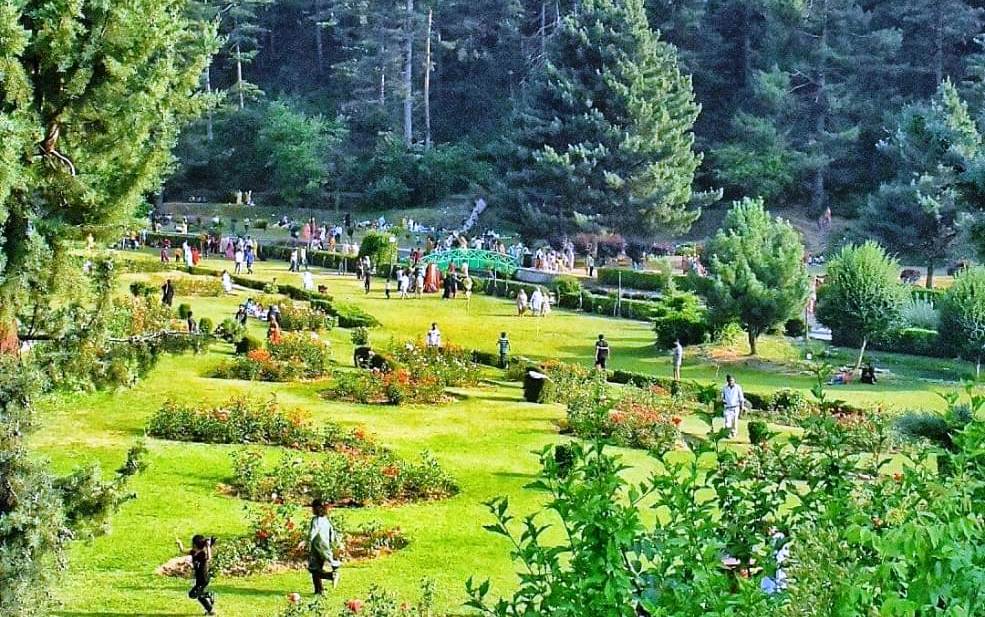
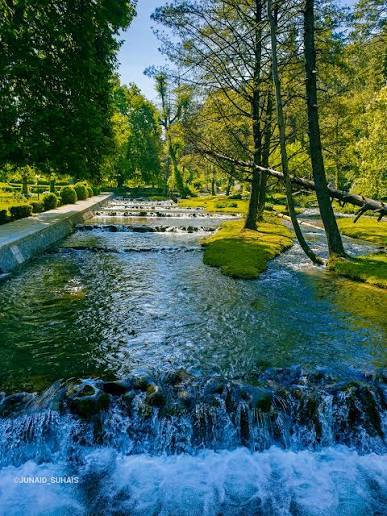
Kokernag is one of those places in Kashmir that locals visit every weekend and most outside travellers never hear of. Tucked into the Breng Valley of Anantnag district, about 25 km from Anantnag town, it is built around a cluster of springs that gush straight out of a forested hillside and split into dozens of small channels — a formation locals say resembles a hen's claw, which is exactly where the name comes from. Add a Mughal-style botanical garden layered with roses and chinars, and one of Asia's largest trout hatcheries sitting right next to it, and you get a destination that is quiet, green, and completely unlike the more crowded stops on the standard Kashmir circuit.
This guide covers everything you need before visiting Kokernag — how to reach it, the best time to go, what there actually is to do, and the nearby Mughal gardens most people combine it with. Written from a Kashmir-based travel company's on-ground knowledge of the South Kashmir garden circuit.
Where is Kokernag and Why is it Famous?
Kokernag is a town and sub-district in the Breng Valley — also called the "Golden Crown of Kashmir" — in Anantnag district, at an altitude of approximately 2,000 metres (6,560 feet). It sits about 25 km from Anantnag town on the Anantnag-Kishtwar highway (NH244), on the way to Daksum and Sinthan Top.
Kokernag is famous for three things, all within walking distance of each other:
- Kashmir's largest freshwater spring — locally called Papshudan Nag ("cleanser of sins") — which surges out of the base of a densely forested hill and divides into multiple crystal-clear channels.
- The Kokernag Botanical Garden, a landscaped garden of roses, chinars, and ornamental plants built around the spring's channels, with small wooden footbridges over the water that have become the area's signature photo spot.
- Asia's largest trout hatchery, run by the state Fisheries Department, where rainbow trout and brown trout are bred in a series of stepped pools right next to the garden.
The place has a long history behind it too — Kokernag is mentioned in the Ain-i-Akbari, the 16th-century Mughal chronicle, which records that its spring water was believed to satisfy hunger and thirst and to ease indigestion. That reputation as a "healing spring" has stuck around locally for centuries.
How to Reach Kokernag
| From | Distance | Travel Time | Route |
|---|---|---|---|
| Anantnag | ~25 km | ~1 hour | Anantnag-Kishtwar highway (NH244) |
| Srinagar | ~85 km | 2 to 2.5 hours | Via Srinagar-Jammu National Highway (NH44) through Anantnag |
| Nearest railway station | Anantnag Railway Station, ~25–30 km | — | On the Baramulla-Banihal Kashmir Railway line |
| Nearest airport | Srinagar International Airport (SXR), ~85 km | — | — |
From Anantnag, the easiest option is to hire a Sumo/taxi headed to Kokernag, or catch one of the frequent local buses. If you're coming from Srinagar, it's a straightforward drive down NH44 to Anantnag and then onto NH244 — no permits or restricted-zone formalities are involved, unlike some of Kashmir's border-adjacent destinations.
Best Time to Visit Kokernag
| Season | Months | What to Expect |
|---|---|---|
| Spring | April–May | Garden in bloom, pleasant weather, fewer crowds than summer |
| Summer | June–August | Cool 15°C–25°C weather, peak local footfall — Kokernag is a popular weekend and picnic spot for Kashmiris |
| Autumn | September–October | Chinar colours turning, clearer skies, quieter than summer weekends |
| Winter | November–March | Kokernag receives heavy snowfall — around six feet in winter — and sees very few tourists; the garden and hatchery are largely inactive |
April to October is the practical window for visiting Kokernag. If you want the garden at its most photogenic with roses in full bloom, aim for May through September; if you want it quiet, a weekday visit outside peak summer is your best bet — Sundays and holidays draw heavy local crowds since Kokernag is one of the most popular weekend getaways from Srinagar.
Things to Do in Kokernag
- Walk the Botanical Garden. Spread across roughly 129 kanals of landscaped grounds within Kokernag's total 300+ kanal area, the garden holds an extensive collection of roses, medicinal herbs, and centuries-old chinar trees, with small wooden bridges crossing the spring's channels — the most photographed spot in Kokernag.
- See the source spring. Watch the Papshudan Nag spring emerge from the forested hillside and split into its channel network — this is Kashmir's largest freshwater spring, and the water is genuinely cold and clear year-round.
- Visit the trout hatchery. Right next to the garden, the Fisheries Department's hatchery — established in 1984 with European Economic Community assistance — rears rainbow and brown trout in stepped raceway pools by size and age. It's open to visitors and worth 30 to 45 minutes on its own.
- Try fresh trout. Trout from the hatchery is sold to visitors and used in local dishes — a genuinely different Kashmiri food experience compared to the usual Wazwan spread.
- Shop at the rural mart. Kokernag is home to the state's first rural mart, set up with NABARD support to sell handicrafts made by local women's self-help groups.
- Picnic and camp. The grassy, willow-shaded stretches around the garden are a favourite local picnic spot, and Kokernag is also a reasonable base for camping if you're continuing on toward Daksum.
Places to Combine With Kokernag — The South Kashmir Garden Circuit
Kokernag is rarely visited alone — it's the middle stop on what locals call the South Kashmir "garden circuit," alongside two other Mughal-era spring gardens.
| Place | Distance from Kokernag | Highlight |
|---|---|---|
| Achabal | ~20 km | Mughal garden built for Empress Nur Jahan around 1620 AD, with a dramatic spring cascading through three terraced channels |
| Verinag | ~15–20 km | The source spring of the Jhelum River, with an octagonal Mughal-era stone pavement built around it by Emperor Jahangir |
| Daksum | ~17 km | Forested riverside hamlet en route to Sinthan Top, popular for camping and trekking |
| Sinthan Top | Further past Daksum | High mountain pass at roughly 3,750 m connecting the Kashmir Valley to Kishtwar |
A typical day trip from Srinagar covers Achabal → Kokernag → Verinag in that order (or the reverse), with the full loop taking a full day given the driving between each stop. If you have more time, staying overnight in or near Kokernag lets you push further to Daksum the next day.
Where to Stay Near Kokernag
Kokernag has a small number of tourist huts and low-budget accommodation rooms run by the local development authority, along with a Dak Bungalow. Infrastructure here is intentionally modest — locals have resisted large-scale concrete development to keep Kokernag from turning into another Pahalgam. For a wider choice of hotels, most travellers base themselves in Anantnag or continue on to Pahalgam, both under two hours away.
Kokernag — Quick Reference
| Question | Answer |
|---|---|
| Where is Kokernag located? | Breng Valley, Anantnag district, Jammu and Kashmir |
| Altitude | Approx. 2,000 m (6,560 ft) |
| Distance from Srinagar | ~85 km, 2–2.5 hours by road |
| Distance from Anantnag | ~25 km, about 1 hour |
| Famous for | Largest freshwater spring in Kashmir, botanical garden, Asia's largest trout hatchery |
| Best time to visit | April to October; May–September for the garden in bloom |
| Nearby places | Achabal (~20 km), Verinag (~15–20 km), Daksum (~17 km), Sinthan Top |
| Entry fee | Nominal garden entry ticket, similar to Kashmir's other Mughal gardens |
FAQs — Kokernag Kashmir
Why is Kokernag famous?
Kokernag is famous for three connected attractions: it holds Kashmir's largest freshwater spring, a landscaped Mughal-style botanical garden built around the spring's channels, and one of Asia's largest trout hatcheries, where rainbow and brown trout are bred in stepped pools right next to the garden.
How far is Kokernag from Srinagar?
Kokernag is approximately 85 km from Srinagar, a drive of about 2 to 2.5 hours via the Srinagar-Jammu National Highway (NH44) through Anantnag, and then onto NH244.
What is the meaning of the name Kokernag?
Kokernag comes from two words: "koker," a Kashmiri word for chicken, and "nag," a Sanskrit word for spring. The main spring divides into multiple small channels as it flows down the hillside, and their branching pattern is said to resemble a hen's claw — hence the name.
What is the best time to visit Kokernag?
April to October is the practical window for a visit, with May through September offering the best combination of blooming roses in the garden and pleasant 15°C to 25°C weather. Kokernag receives heavy winter snowfall, and the garden and hatchery see very few visitors between November and March.
Is Kokernag worth visiting?
Yes, particularly for travellers who want a quieter, greener alternative to Kashmir's busier gardens. Kokernag combines a genuinely large natural spring, a well-maintained rose and chinar garden, and a working trout hatchery you can walk through — all within a compact area, and usually combined with nearby Achabal and Verinag on the same day trip.
Can I visit Achabal and Verinag along with Kokernag?
Yes — Achabal, Kokernag, and Verinag together form what locals call the South Kashmir garden circuit. Achabal is about 20 km from Kokernag, and Verinag is roughly 15 to 20 km away, so all three can realistically be covered in a single full-day trip from Srinagar or Pahalgam.
Is there accommodation available in Kokernag?
Kokernag has a limited number of tourist huts, low-budget rooms run by the local development authority, and a Dak Bungalow. Infrastructure is deliberately modest, so most travellers either visit as a day trip or stay in nearby Anantnag or Pahalgam, both under two hours away.
Plan Your South Kashmir Garden Circuit With Thrill Top Journeys
Kokernag fits naturally into a South Kashmir day trip alongside Achabal, Verinag, and the rest of Anantnag's top attractions. Our team can help plan the route, timing, and stops around your Kashmir itinerary.
- Call or WhatsApp: +91 9797776779
- Browse All Kashmir Tour Packages
Author Bio
Aaqib Bhat is a Kashmir-based travel writer and SEO specialist at Thrill Top Journeys, covering South Kashmir's lesser-known gardens and springs.