
Famous Lakes of Ladakh | Pangong Tso, Tso Moriri, Tso Kar & Complete Guide 2026
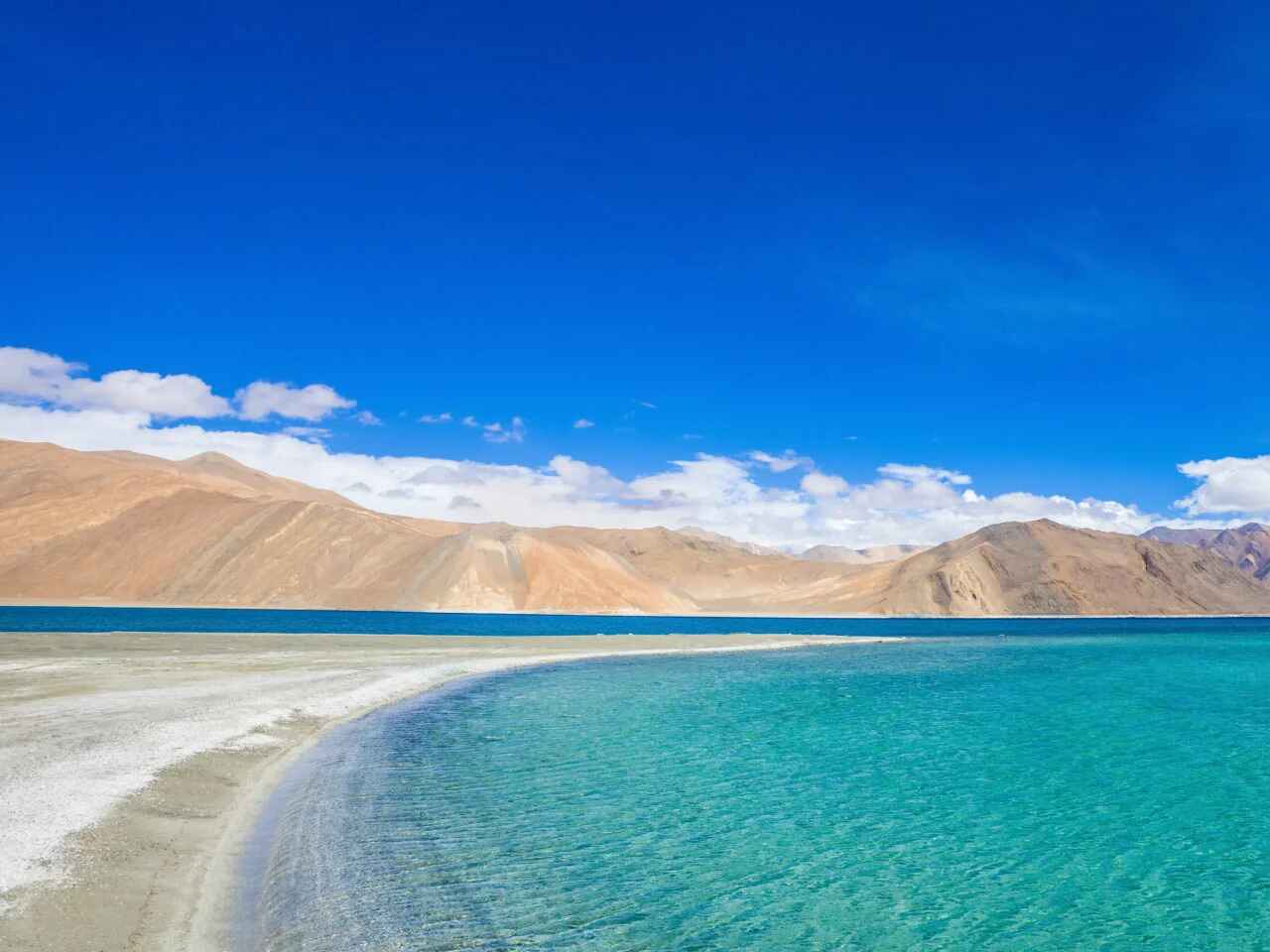
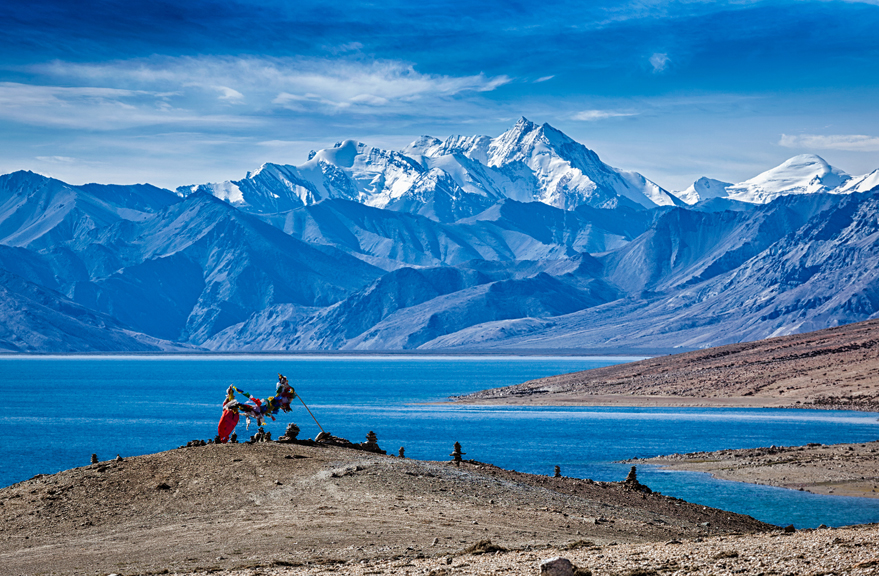
The Changthang Plateau of eastern Ladakh is one of the most extreme environments on earth — a cold, high-altitude desert where the wind never fully stops, the air carries barely half the oxygen of sea level, and the landscape is so stripped of vegetation and colour that the few things which do exist here seem almost supernaturally vivid. The mountains are raw brown and purple and grey. The sky is a blue that no filter can replicate. And the lakes — scattered across this barren plateau at altitudes that would challenge most mountains — are a blue so intense and so improbable that standing at their edge for the first time feels like a visual hallucination.
Ladakh's high-altitude lakes are among the most extraordinary natural phenomena in Asia. They are geologically ancient, ecologically fragile, spiritually significant, and visually breathtaking in a way that photographs only partially convey. This is your complete guide to the famous lakes of Ladakh in 2026 — from the iconic Pangong Tso to the remote, lesser-known gems of the Changthang plateau.
Ladakh Lakes – At a Glance
| Lake | Altitude | Distance from Leh | Type | Permit Required |
|---|---|---|---|---|
| Pangong Tso | 4,350 m (14,270 ft) | ~160 km | Saline / Brackish | Yes (ILP/PAP) |
| Tso Moriri | 4,522 m (14,836 ft) | ~220 km | Brackish | Yes (ILP/PAP) |
| Tso Kar | 4,530 m (14,862 ft) | ~155 km | Saline / Salt Lake | Yes (ILP/PAP) |
| Kyagar Tso | ~4,600 m | ~230 km | Saline | Yes (ILP/PAP) |
| Yarab Tso (Hidden Lake) | ~3,800 m (12,467 ft) | ~145 km (via Nubra) | Freshwater (Sacred) | Yes (ILP/PAP) |
| Stat Tso & Lang Tso | ~5,000 m (16,404 ft) | ~250 km (Zanskar) | Freshwater | Yes |
| Mirpal Tso | ~4,200 m | ~250 km (via Hanle) | Freshwater | Yes (ILP/PAP) |
Why are Ladakh's Lakes So Special?
Ladakh's lakes are not simply beautiful — they are remarkable on multiple levels:
- Extraordinary colour: The combination of high altitude, mineral content, water depth, and angle of sunlight produces blues, turquoises, emeralds, and silvers that shift dramatically through the day and across seasons
- Geological significance: Most of Ladakh's major lakes are remnant lakes — ancient water bodies that were once far larger, formed by tectonic faulting. Pangong Tso, Tso Moriri, and Tso Kar are all endorheic lakes — meaning they do not drain into any river or sea
- Ecological importance: Tso Moriri and Tso Kar are designated Ramsar Wetland Sites — internationally recognised habitats of global ecological importance. They support rare, endemic, and migratory species found nowhere else on earth
- Spiritual significance: Several of Ladakh's lakes — particularly Yarab Tso and Tso Moriri — are considered sacred by the local Buddhist and Changpa nomadic communities
- Geopolitical significance: Pangong Tso sits directly along the Line of Actual Control (LAC) between India and China — making it one of the most strategically sensitive lake regions in the world
1. Pangong Tso — The Most Famous Lake in Ladakh
Pangong Tso is the undisputed icon of Ladakh's lake landscape — and one of the most photographed natural locations in all of India. Situated at an altitude of 4,350 metres (14,270 feet), the lake stretches 134 km long and extends from India into China, with approximately 60% of its length lying in Chinese territory. The Indian side — approximately 45 km of accessible shoreline from Lukung to Merak — is what visitors experience, and it is extraordinary.
What makes Pangong Tso unlike any other lake in India is its colour. The lake is unique for its changing colors, which range from shades of blue to green and even red throughout the day. This phenomenon is caused by the interplay of the lake's depth, mineral content, weather, and the angle of sunlight at 14,270 feet — and it means that the lake you photograph at 7 AM is a completely different visual experience from the one you see at noon or at sunset. Pangong Tso was also immortalised in Indian popular culture when its shores served as the location for the iconic climax scene of the 2009 Bollywood blockbuster 3 Idiots.
| Detail | Information |
|---|---|
| Altitude | 4,350 m (14,270 ft) |
| Length | 134 km (India's share: ~45 km) |
| Width (max) | ~5 km |
| Distance from Leh | ~160 km via Chang La Pass |
| Route from Leh | Leh → Karu → Sakti → Chang La (5,360 m) → Tangtse → Lukung → Spangmik |
| Journey Time | 5–6 hours |
| Lake Type | Saline / Brackish (endorheic) |
| Permit | ILP for Indians | PAP for foreign nationals |
| Best Time | May to September |
Things to do at Pangong Tso:
- Overnight camping at Spangmik, Man, or Lukung villages
- Sunrise and sunset photography — the lake turns gold and amber at golden hour
- Stargazing — zero light pollution at 14,270 ft gives extraordinary night skies
- Birdwatching — Bar-headed Geese, Brahminy Ducks, Brown-headed Gulls
- Visit the 3 Idiots filming location on the south shore
- Walk through Spangmik and Man villages to meet the Changpa nomad community
Insider Tip: Arrive at the lake by noon from Leh. Spend the afternoon at the shore, watch the sunset, camp overnight, and photograph the sunrise — this 2-day approach lets you experience Pangong in its full range of colours and light.
2. Tso Moriri — Ladakh's Most Sacred High-Altitude Lake
Tso Moriri is what Pangong Tso might look like if you removed 90% of the tourists and added an ancient Buddhist monastery, a protected wetland full of rare birds, and the particular silence that comes with true remoteness. Located in the Changthang Plateau at an altitude of 4,522 metres (14,836 feet), Tso Moriri is a Ramsar Wetland Site and the largest high-altitude lake entirely within India. It spans approximately 26 km north to south and 3–5 km wide — smaller than Pangong but entirely within Indian territory, giving it a self-contained grandeur that Pangong, which disappears into China, does not quite have.
The lake is surrounded by snow-capped peaks, wide wetland marshes fed by three glacial streams, and the plateau's characteristic silence. The 400-year-old Korzok Monastery on the western bank is a major draw for Buddhist pilgrims and travellers. The wetland ecosystem around the lake supports some of Ladakh's most remarkable wildlife — including marmots, rarely seen Tibetan wolves, kiang (Tibetan wild ass), and a variety of migratory birds. The Black-necked Crane — one of the rarest and most sacred birds in Tibetan Buddhism — breeds at Tso Moriri, making it one of the most important birdwatching sites in the Himalayas.
| Detail | Information |
|---|---|
| Altitude | 4,522 m (14,836 ft) |
| Length | ~26 km (entirely within India) |
| Distance from Leh | ~220 km |
| Route from Leh | Leh → Upshi → Chumathang → Mahe → Sumdo → Korzok |
| Journey Time | ~6 hours |
| Conservation Status | Ramsar Wetland Site | Tso Moriri Wetland Conservation Reserve |
| Permit | ILP for Indians | PAP for foreign nationals |
| Best Time | May to September (inaccessible in winter) |
| Nearby Monastery | Korzok Monastery (400 years old, on the western bank) |
Things to do at Tso Moriri:
- Birdwatching — Black-necked Crane, Bar-headed Goose, Great Crested Grebe, Brahminy Duck
- Visit Korzok Monastery and interact with monks
- Overnight camping in designated areas near Korzok village
- Wildlife spotting — Kiang (Tibetan wild ass) and marmots are commonly seen around the lake
- Tso Moriri–Tso Kar circuit — combining both lakes into a 2-day Changthang loop
Insider Tip: Unlike Pangong, Tso Moriri cannot be visited as a day trip from Leh — the distance and road conditions require at least one overnight stay at Korzok. Plan for a minimum of 2 days for this lake.
3. Tso Kar — The White Lake of Ladakh
Tso Kar — meaning White Lake in Tibetan — earns its name from the brilliant white salt deposits that crust its shores like a permanent snowfall. Situated on the Rupshu Plateau of Ladakh, Tso Kar is a vacillating salt lake that attracts wildlife and birds including Brahminy ducks, bar-headed geese, great crested grebes, and black-necked cranes. The lake's western part is saline while its eastern section contains freshwater — a unique twin-character that makes it ecologically remarkable and a Ramsar Wetland Site (India's 42nd).
Tso Kar is most commonly visited as part of the Tso Moriri circuit — travellers going from Leh to Tso Moriri via Manali Road pass Tso Kar at Debring, making it a natural stop before continuing to Korzok. At 4,530 metres, it is technically the highest of the three major Changthang lakes — though its smaller size and the dominance of Pangong and Tso Moriri in the popular imagination mean it remains comparatively undervisited and wonderfully uncrowded.
| Detail | Information |
|---|---|
| Altitude | 4,530 m (14,862 ft) |
| Distance from Leh | ~155 km via Manali–Leh Highway |
| Route from Leh | Leh → Upshi → Rumtse → Tanglang La → Debring → Tso Kar |
| Journey Time | ~4 hours |
| Conservation Status | Ramsar Wetland Site (India's 42nd) |
| Best For | Birdwatching, wildlife photography, salt flat landscape |
| Best Time | May to September |
Insider Tip: Visit Tso Kar as part of the Leh → Tso Kar → Tso Moriri loop — it pairs naturally with Tso Moriri and adds almost no extra distance. The white salt flats at sunrise are one of the most unusual and photographically striking sights in all of Ladakh.
4. Kyagar Tso — The Lake of Joy
Kyagar Tso — locally known as the Lake of Joy — is a small, serene lake located in the Salt Valley northeast of Tso Moriri on the Changthang Plateau. This 3 km long, 1.5 km wide, and 22 metre deep saline lake has crystal-clear turquoise water and is typically visited en route between Tso Moriri and Pangong on the remote Changthang circuit. The special attraction here is stone plates inscribed with Buddhist prayers scattered around the lake's edges — mani stones left by Changpa pilgrims over generations — giving Kyagar Tso a spiritual atmosphere that complements its natural beauty. Most travellers only glimpse it from the road; those who stop and walk to the water's edge are rewarded with near-total solitude and a reflection of the surrounding mountains in perfectly still water.
| Detail | Information |
|---|---|
| Altitude | ~4,600 m |
| Location | Northeast of Tso Moriri, Changthang Plateau |
| Best Visited | As part of Tso Moriri–Pangong circuit |
| Best For | Photography, solitude, Buddhist heritage |
5. Yarab Tso — The Hidden Sacred Lake
Yarab Tso is one of Ladakh's most unusual and least-visited lakes — a small, pristine freshwater lake held sacred by the local Buddhist community, located near Sumur village in the Nubra Valley. Known as the "Hidden Lake," it is accessible by a 20-minute trek up a small hill from the valley road. The lake is not large — but it is the kind of quietly sacred place that stays with you. The Buddhist community around Sumur considers it deeply holy and asks that visitors do not swim in or pollute the water. The short trek rewards visitors with a peaceful viewpoint over the lake and the Nubra Valley beyond.
| Detail | Information |
|---|---|
| Altitude | ~3,800 m (12,467 ft) |
| Location | Near Sumur village, Nubra Valley |
| Access | 20-minute trek from the main Nubra Valley road |
| Type | Freshwater (Sacred site) |
| Best For | Offbeat travellers, spiritual seekers, photographers |
| Note | Do not swim or pollute — sacred lake, respected by local community |
6. Stat Tso & Lang Tso — The Twin Lakes of Zanskar
Stat Tso and Lang Tso are twin adjacent lakes located in the Zanskar region of Ladakh, at an altitude of approximately 5,000 metres (16,400 feet) — making them among the highest accessible lakes in the entire Ladakh region. These relatively unexplored lakes see very few visitors and offer a profound sense of Himalayan remoteness. The crystal-clear waters, pristine snowfields, and silent mountain surroundings make them a destination for serious trekkers and offbeat explorers willing to put in the effort to reach them. No camps or tourist facilities exist here — this is wilderness travel.
| Detail | Information |
|---|---|
| Altitude | ~5,000 m (16,404 ft) |
| Location | Zanskar region, Ladakh |
| Best For | Serious trekkers, offbeat explorers, solitude seekers |
| Facilities | None — wilderness destination |
7. Mirpal Tso — Ladakh's Astrophotography Lake
Mirpal Tso is a hidden turquoise lake near Hanle in the remote Changthang plateau, increasingly visited for a very specific reason: astrophotography. The Hanle region, at over 4,500 metres with virtually zero light pollution, is home to the Indian Astronomical Observatory (IAO) — one of the world's highest optical telescopes. The combination of the observatory, the lake, and the extraordinarily clear night sky creates conditions for night photography that are essentially unmatched anywhere in India. On a clear night, the Milky Way is visible with the naked eye in extraordinary detail over the lake's surface.
| Detail | Information |
|---|---|
| Altitude | ~4,200 m (13,779 ft) |
| Location | Near Hanle, eastern Changthang, Ladakh |
| Distance from Leh | ~250 km |
| Best For | Astrophotography, night sky, offbeat travel |
| Best Time | April–May and September–October (clearest skies) |
| Nearby Attraction | Indian Astronomical Observatory (IAO), Hanle Monastery |
Permits for Visiting Ladakh's Lakes
Almost all of Ladakh's major lakes are in restricted zones near the Line of Actual Control (LAC) and require permits:
- Indian Nationals — Inner Line Permit (ILP): Required for Pangong Tso, Tso Moriri, Tso Kar, Hanle (Mirpal Tso), and Nubra Valley (Yarab Tso). Apply online at lahdclehpermit.in or at the Leh DC office. Cost: approximately ₹400–500 per person. Processing: immediate online. Carry multiple photocopies — you will submit one at each checkpoint.
- ((passport w22))Foreign Nationals — Protected Area Permit (PAP): Required for all restricted zones. Must be obtained through a registered travel agent in Leh. Takes 1–2 working days. Requires a minimum group of 2 people and a registered guide.
- Note on Mirpal Tso / Hanle: Hanle requires a specific mention on your ILP. When applying, ensure "Hanle" is listed as a destination — a standard Pangong ILP may not cover Hanle.
Wildlife at Ladakh's Lakes
Ladakh's high-altitude lakes are among the most important wildlife habitats in the Himalayan region. The Changthang plateau around the lakes supports:
- Bar-headed Goose – One of the world's highest-flying migratory birds; breeds around Pangong and Tso Moriri
- Black-necked Crane – Sacred in Tibetan Buddhism; breeds at Tso Moriri; one of the rarest cranes in Asia
- Brahminy Duck (Ruddy Shelduck) – Common along all lake shores
- Great Crested Grebe – Found at Tso Kar and Tso Moriri
- Kiang (Tibetan Wild Ass) – The world's largest wild ass; seen in herds on the Changthang plateau between Tso Moriri and Tso Kar
- Himalayan Marmot – Fat, curious, and abundant along the road to Pangong via Chang La
- Tibetan Wolf and Red Fox – Rare sightings in the remote Changthang region
- Snow Leopard – Extremely rare; occasionally tracked in the mountains surrounding Tso Moriri in winter
Activities at Ladakh's Lakes
Overnight CampingCamping by the lake shore under a sky full of stars at 14,000+ feet is the definitive Ladakh lake experience. Pangong (Spangmik, Man, Lukung), Tso Moriri (Korzok), and Tso Kar (Debring) all have designated camping zones. Bring or rent a quality sleeping bag — temperatures drop sharply after sunset even in summer.
Photography and AstrophotographyThe lakes of Ladakh are among India's great photography destinations. For daytime landscape photography, the colour-shifting waters of Pangong Tso are unmatched. For astrophotography, the skies above Mirpal Tso near Hanle offer conditions that rival dedicated astronomical observatories.
BirdwatchingJuly to September is peak birdwatching season at Tso Moriri and Tso Kar — both Ramsar Wetland Sites with extraordinary biodiversity. Bring binoculars and a zoom lens. The Black-necked Crane at Tso Moriri is a once-in-a-lifetime sighting for many wildlife enthusiasts.
Trekking Between LakesThe Changthang plateau can be traversed on foot between lakes on several established routes. The Tso Moriri–Tso Kar trek and the sections of the Spiti–Ladakh trek passing through the plateau are among the most remote and rewarding trekking routes in the Himalayas. Arrange through a licensed Ladakhi guide.
StargazingAt 14,000–15,000 feet with no nearby cities, Ladakh's lake shores offer some of the darkest skies in Asia. The Milky Way is visible to the naked eye from mid-August through October. Pangong and Mirpal Tso near Hanle are the top stargazing spots.
Best Time to Visit Ladakh's Lakes
| Season | Period | Conditions | Recommended? |
|---|---|---|---|
| Late Spring | May – June | Roads open, cooler temps, fewer tourists, early migratory birds arriving | Yes — good for photographers |
| Peak Summer | July – August | Best weather, all camps open, most vibrant lake colours, peak birdwatching | Best overall — book in advance |
| Autumn | September – October | Fewer tourists, clearer skies, colder nights, some camps closing | Excellent for photography and stargazing |
| Winter | November – April | Lakes freeze, roads closed, temperatures -20°C to -30°C | Expert travellers only — extreme cold |
Travel Tips for Visiting Ladakh's Lakes
- Acclimatise without exception: Spend a minimum of 2–3 full days in Leh before travelling to any of the lakes. All major Ladakh lakes sit above 4,300 metres. Going directly from the airport to a lake is one of the leading causes of Acute Mountain Sickness (AMS) in Ladakh visitors.
- Cash only beyond Leh: There are no ATMs at Pangong Lake, Tso Moriri, Tso Kar, or any of the other lakes. Withdraw sufficient cash in Leh before departure. Carry extra for fuel, emergencies, and accommodation.
- No mobile internet: Only BSNL postpaid SIMs work intermittently at most lakes. Jio postpaid may catch a signal near Tangtse (Pangong route). Download offline maps before leaving Leh. Inform family of your full itinerary before you lose signal.
- Use a sturdy 4x4 vehicle: All routes to the major lakes involve mountain passes, rough terrain, and unpaved sections. An SUV or 4x4 is strongly recommended. Small cars are not suitable. Hire an experienced local driver who knows the roads and altitude conditions.
- Drones are prohibited: Flying drones near Ladakh's border lakes — particularly Pangong Tso — requires explicit written permission from the District Magistrate's office. Heavy penalties apply.
- Leave no trace: Ladakh's lake ecosystems are extraordinarily fragile. Carry a bag for all your trash. Plastic bags are banned in Ladakh. Never wash with soap or detergent in or near the lake.
- Pack for extreme temperature swings: Days can be warm (15°C–20°C in July) but nights drop to 0°C–5°C at Pangong even in peak summer. At Tso Moriri and Tso Kar (higher altitude), nights can reach -5°C in August. Always carry thermals, a down jacket, thick socks, and a warm hat.
- ((medical w22))Carry a medical kit: Diamox (consult a doctor before using), Paracetamol, ORS sachets, and a basic first aid kit. The nearest proper medical facility from most lakes is in Leh or Kargil.
FAQs About Famous Lakes of Ladakh
What are the most famous lakes in Ladakh?
The most famous lakes in Ladakh are Pangong Tso (Pangong Lake), Tso Moriri, and Tso Kar. Other notable lakes include Kyagar Tso, Yarab Tso (the Hidden Lake in Nubra Valley), Mirpal Tso near Hanle, and the twin lakes Stat Tso and Lang Tso in Zanskar.
Which is the highest lake in Ladakh?
Among the major accessible lakes, Tso Kar sits at approximately 4,530 metres — making it the highest of the three famous Changthang lakes. Stat Tso and Lang Tso in Zanskar sit at approximately 5,000 metres but are remote trek destinations without tourist facilities.
Do I need a permit to visit Ladakh's lakes?
Yes. All major Ladakh lakes — Pangong Tso, Tso Moriri, Tso Kar, Hanle (Mirpal Tso), and Nubra Valley (Yarab Tso) — are in restricted zones and require an Inner Line Permit (ILP) for Indian nationals. Apply online at lahdclehpermit.in. Foreign nationals require a Protected Area Permit (PAP) through a registered travel agent in Leh.
What is the best time to visit Ladakh's lakes?
May to September is the best time. July and August offer the most vibrant lake colours, fully operational campsites, and the best birdwatching. September and October are excellent for photography and stargazing with fewer crowds. Most lakes are inaccessible from November to April due to road closures and extreme cold.
Why does Pangong Lake change colour?
Pangong Tso changes colour due to the interplay of water depth, mineral content, weather conditions, and the angle of sunlight at high altitude. Throughout the day, the lake can shift from turquoise and cobalt blue to emerald green and even reddish hues. The phenomenon is most dramatic at golden hour — shortly after sunrise and before sunset.
Which lakes in Ladakh are Ramsar Wetland Sites?
Tso Moriri (officially the Tso Moriri Wetland Conservation Reserve) is a Ramsar Wetland Site — the world's highest Ramsar site. Tso Kar is India's 42nd Ramsar Wetland Site. These designations recognise both lakes as wetlands of international ecological importance.
Can I see the Black-necked Crane in Ladakh?
Yes. The Black-necked Crane breeds at Tso Moriri — one of the few places in India where this sacred and endangered bird can be observed. The best time for sightings is from June to August during the breeding season. Bring binoculars and a zoom lens for photography.
Is it possible to visit Pangong Lake and Tso Moriri in the same trip?
Yes, and it is highly recommended. The two lakes can be combined on the Pangong–Tso Moriri circuit via the remote Changthang route through Chushul, Nyoma, and Chumur — one of the most spectacular drives in Ladakh. This route requires a sturdy 4x4 vehicle, experienced driver, and sufficient fuel as there are no petrol stations on the route. Allow 3–4 days for the full circuit.
Explore Ladakh's Lakes With Thrill Top Journeys
- From ILP permits and 4x4 transport to lakeside camping bookings and Leh acclimatisation stays — let us plan your complete Ladakh lake circuit end-to-end.
- Book Now! +91 9797776779
Author Bio
Basit Bhat is a travel writer and Ladakh expert who documents the region's most extraordinary landscapes, cultures, and experiences through Thrillop.
References
- Official Ladakh ILP Permit Portal
- Wikipedia – Tso Moriri
- Wikipedia – Pangong Tso
- Incredible India – Ladakh
- District Leh – Government of Ladakh