
Top 5 Places to Visit in Kashmir in Winter | Snow, Skiing & Complete Winter Travel Guide 2025–26
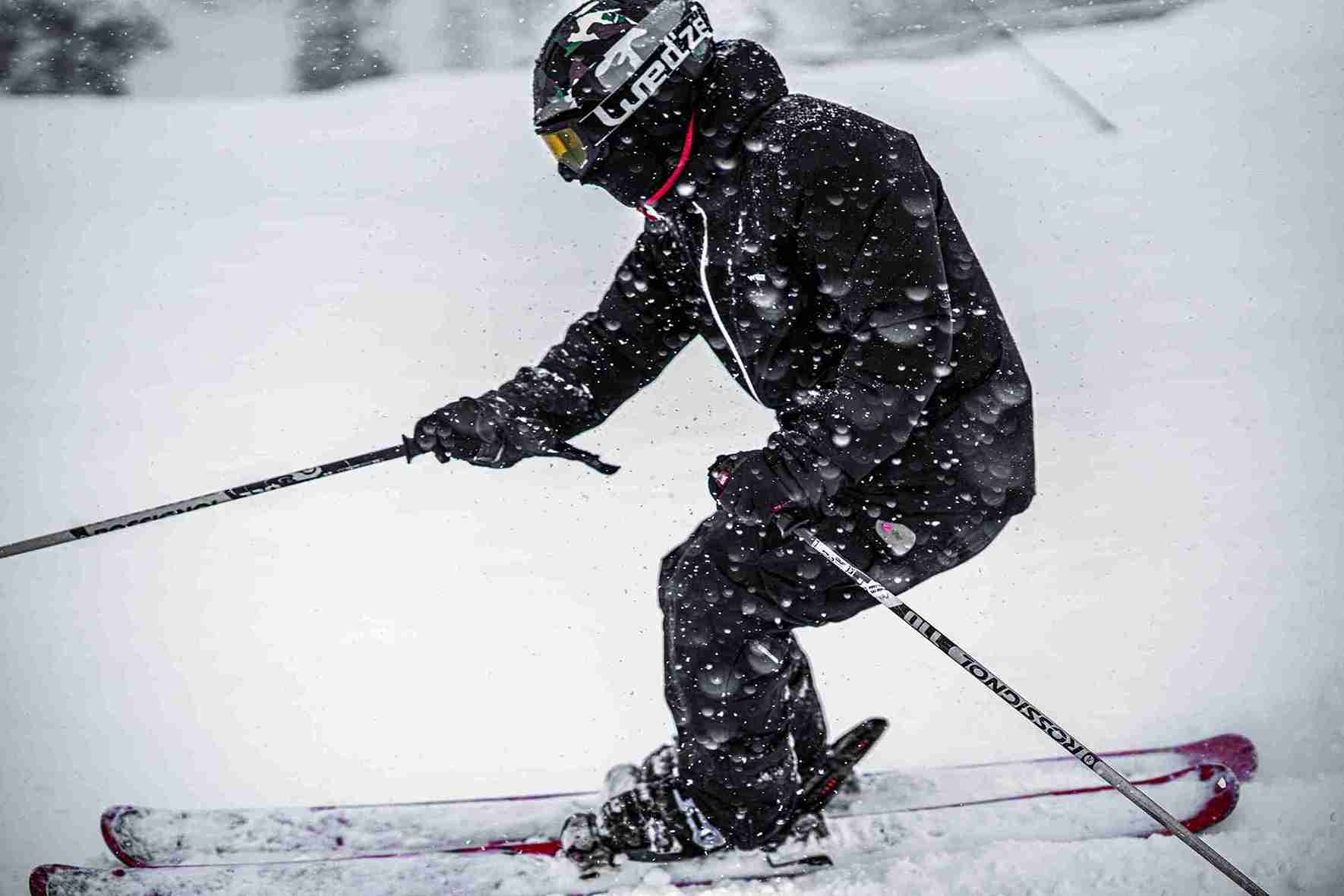
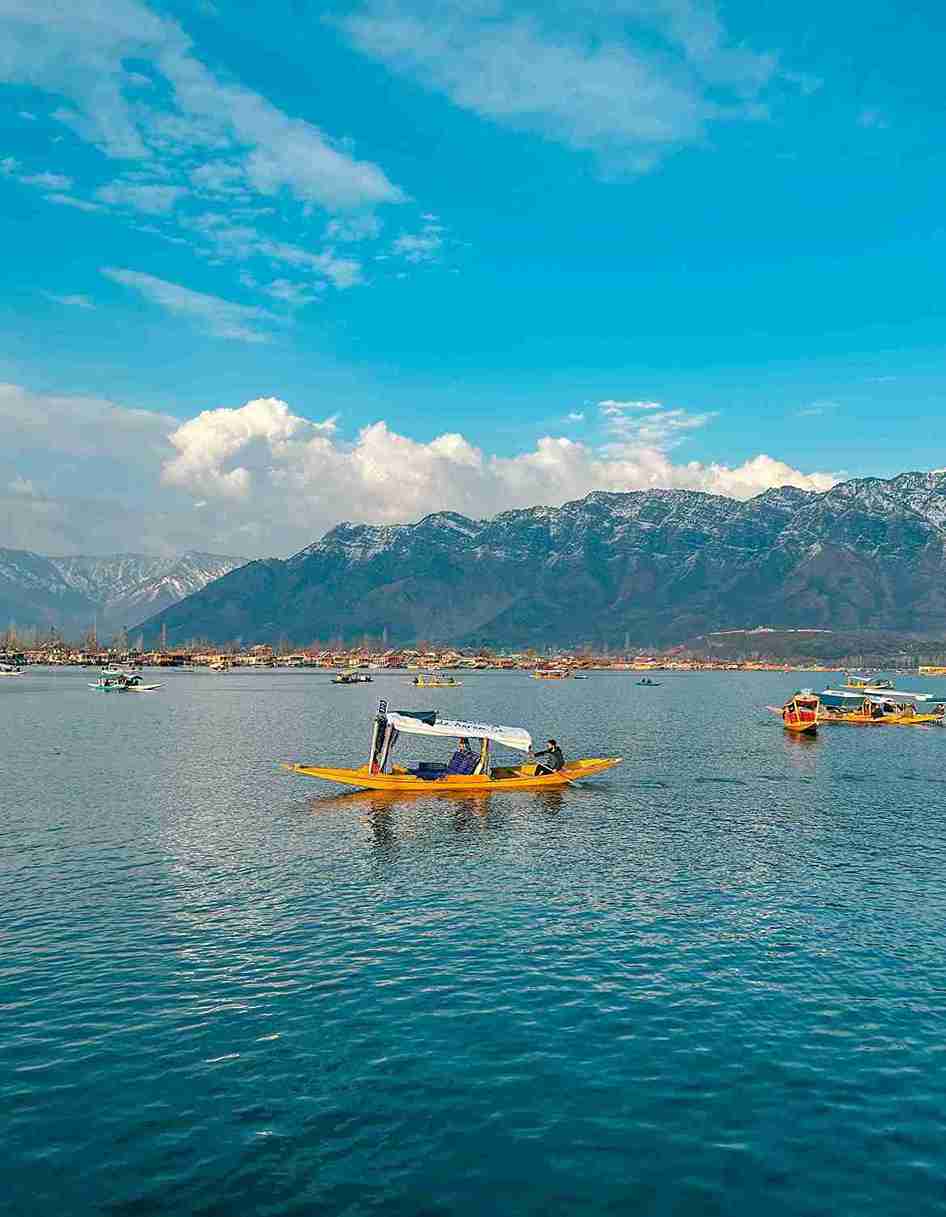
There is a version of Kashmir that most people never see — not the one of blooming tulips and green meadows, but the one draped in deep, silent white. Winter in Kashmir is a completely different world. Snow settles over the rooftops of old wooden houses, the Dal Lake glazes over in a layer of ice, pine trees stand heavy with snow along mountain trails, and the air carries that particular cold that makes a cup of Kahwa feel like the finest thing on earth. If you have ever wanted to experience Kashmir beyond the postcard, winter is the season to come.
The peak winter period in Kashmir — locally known as Chillai Kalan — runs from 21st December to 31st January and brings the heaviest snowfall of the year. Whether you are here for skiing, snow photography, romantic houseboat stays, or simply the experience of seeing a Himalayan valley buried in white, this guide covers the top 5 places to visit in Kashmir in winter 2025–26 with everything you need to plan your trip.
When Does It Snow in Kashmir?
Snowfall in Kashmir typically follows this pattern:
- October – November: First snow begins at higher altitudes — Gulmarg and Sonamarg receive early snowfall from October onwards. Lower valleys and Srinagar remain largely snow-free.
- December: Snowfall descends to the valley. Srinagar typically receives its first snow around mid-December. Peak tourist season begins. Temperatures: 8°C days, -2°C nights.
- January: The coldest and snowiest month. Heavy, consistent snowfall across all destinations. Dal Lake partially or fully freezes. Temperatures: 2°C to 5°C days, -5°C to -10°C nights. Best month for snow lovers.
- February: Snow remains thick and stable — ideal for skiing. Slightly longer, milder days. Winter festivals like the Kashmir Snow Festival take place. Great for honeymooners.
- March: Winter begins to retreat. Snow lingers in Gulmarg and Sonamarg. Lower valleys start to thaw. Last chance for a proper winter experience.
Top 5 Places to Visit in Kashmir in Winter
1. Gulmarg – The Skiing Capital of India
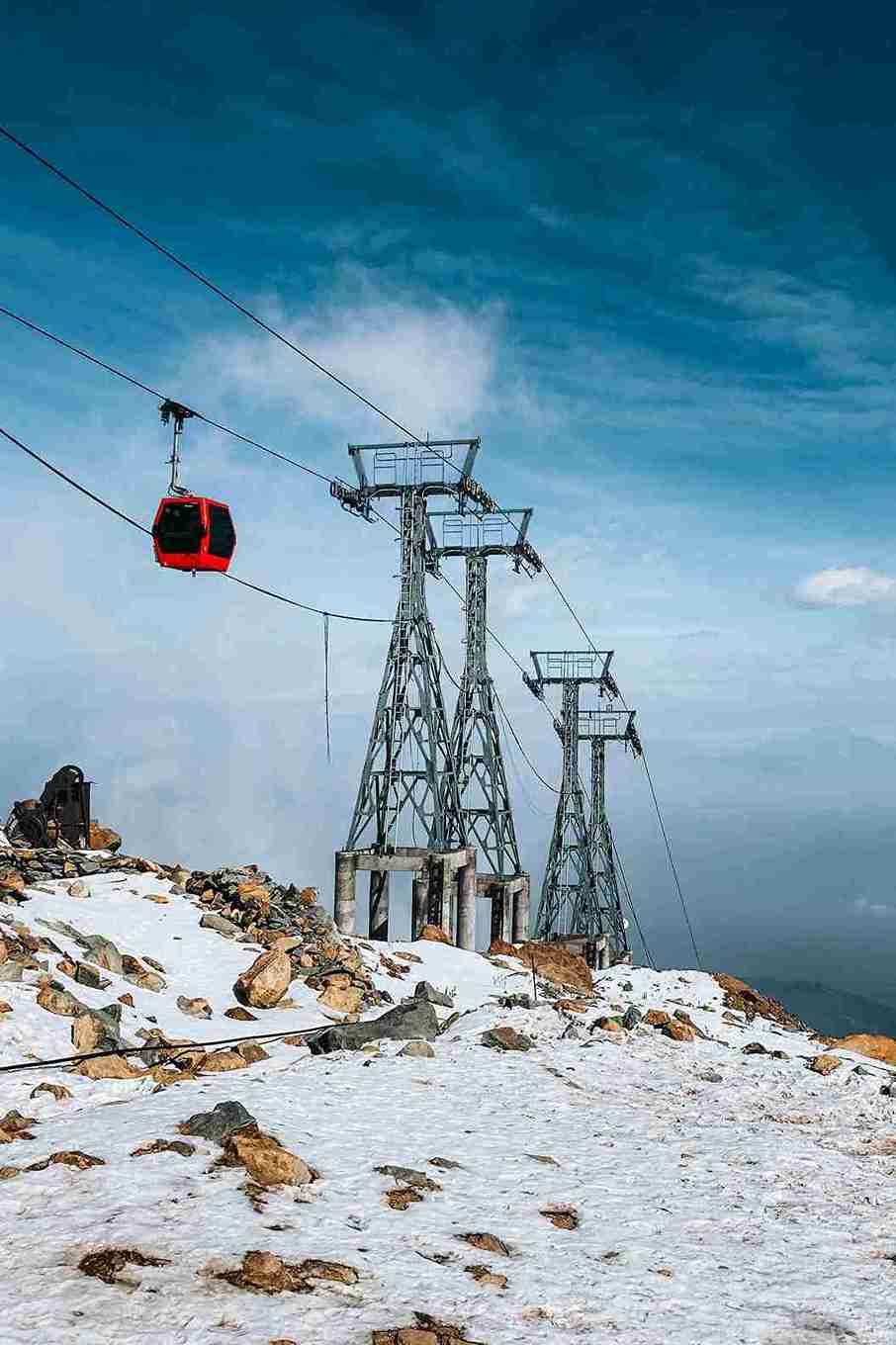
When it comes to winter in Kashmir, no destination commands attention quite like Gulmarg. Perched at an altitude of 2,650 metres in the Pir Panjal range, Gulmarg transforms from a meadow of summer wildflowers into one of Asia's most celebrated ski destinations the moment the first snowfall arrives. The slopes here are legendary — deep powdery snow, long runs, and the Gulmarg Gondola, one of the world's highest cable cars, lifting you to Apharwat Peak at 4,200 metres for panoramic views of snow-capped Himalayan peaks that stretch endlessly in every direction.
Gulmarg is not just for expert skiers. The J&K Tourism-managed ski resort offers slopes for all skill levels — from beginner-friendly gentle runs to advanced backcountry powder for seasoned enthusiasts. Ski and snowboard equipment rentals are available locally. Beyond skiing, the village of Gulmarg itself is a delight in winter — warm wooden cafes, steaming bowls of local Harissa, and the satisfying crunch of fresh snow underfoot.
Winter Activities in Gulmarg:
- Skiing and snowboarding on Apharwat Peak slopes
- Gulmarg Gondola (Phase 1 and Phase 2) – book tickets online via J&K Tourism to skip queues
- Heli-skiing for experienced skiers
- ATV rides, snow sledging, snow tubing
- Pony rides through snow-covered pine trails
- Trek to Alpather Lake (Frozen Lake) at 14,400 ft — visited by very few, extraordinary for photographers
Best Time in Winter: December to March | Temperatures: -5°C to 5°C
Pro Tip: Book your Gondola tickets and ski resort accommodation at least 3–4 months in advance during peak season (January–February). Luxury properties sell out fast.
2. Srinagar – Frozen Lakes & Snow-Draped Mughal Gardens
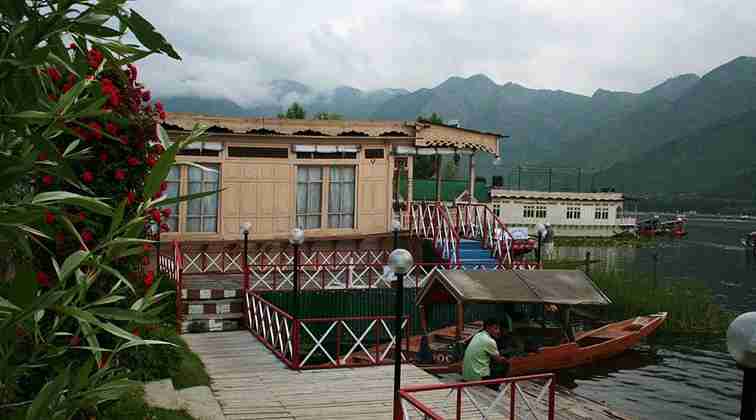
Srinagar in winter is one of the most quietly magnificent experiences Kashmir offers. The city slows down, the tourist crowds thin out, and what remains is something far more intimate — snow falling softly over the Mughal gardens, wisps of smoke rising from the chimneys of wooden houseboats, and the Dal Lake glazing over in January cold until it becomes thick enough to walk across. The sight of a lone Shikara gliding over partially frozen water against a backdrop of snow-dusted chinar trees is the kind of image that stays with you for years.
The Nigeen Lake, Srinagar's quieter sister, also freezes in deep winter, creating an even more serene and photogenic setting. Staying on a heated houseboat on Nigeen Lake during a snowfall is one of the most unique accommodation experiences in all of India. Mornings here, with fresh snow on the deck and a Kangri (traditional Kashmiri fire pot) in your lap, are incomparable.
Winter Activities in Srinagar:
- Shikara rides on partially frozen Dal and Nigeen Lakes
- Walk through snow-covered Mughal gardens — Shalimar Bagh, Nishat Bagh, Chashme Shahi
- Visit the Hazratbal Shrine, especially beautiful dusted in snow
- Explore the old lanes of downtown Srinagar for Pashmina shawls and local cuisine
- Try traditional winter foods — Harissa, Rogan Josh, Goshtaba, and hot Kehwa
- Stay overnight on a heated houseboat — one of the most romantic winter experiences in India
Best Time in Winter: November to February | Temperatures: -2°C to 8°C
Pro Tip: For the best snow photography, head to Dal Lake at sunrise. The golden hour light over frozen water and snow-covered mountains is extraordinary.
3. Pahalgam – A Silent Snow Valley
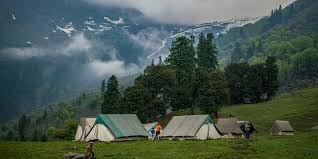
Pahalgam in summer is busy and beloved. Pahalgam in winter is a completely different proposition — quieter, more raw, and in many ways, more beautiful. Nestled at 2,130 metres in the Anantnag district along the Lidder River, the town gets buried in deep snow from December onwards. The famous Betaab Valley — all lush green in summer — becomes an unbroken white meadow. The Lidder River slows to a near-frozen crawl. The meadows of Aru Valley, 12 km away, turn into pristine snowfields perfect for winter treks and pony rides through powder.
Pahalgam in winter is ideal for those who want Kashmir's snow experience without Gulmarg's ski-resort crowds. It is peaceful, deeply beautiful, and one of the best places in Kashmir for family snow trips — the terrain is gentler and the activities more accessible for all ages.
Winter Activities in Pahalgam:
- Snow walks and winter treks through Betaab Valley and Aru Valley
- Sledding and snowball fights in the open meadows
- Pony rides through snow-covered pine trails to Baisaran (Mini Switzerland)
- Picnics beside the frozen Lidder River
- Bonfires at riverside cottages and guesthouses
- Photography of snow-covered valleys, frozen streams, and empty winter meadows
Best Time in Winter: December to February | Temperatures: -3°C to 7°C
Pro Tip: For the most reliable heavy snowfall in Pahalgam, plan your visit between 20th December and 10th January — this window historically sees the most frequent and dramatic snowfall events.
4. Sonamarg – Raw Himalayan Winter at Its Most Dramatic
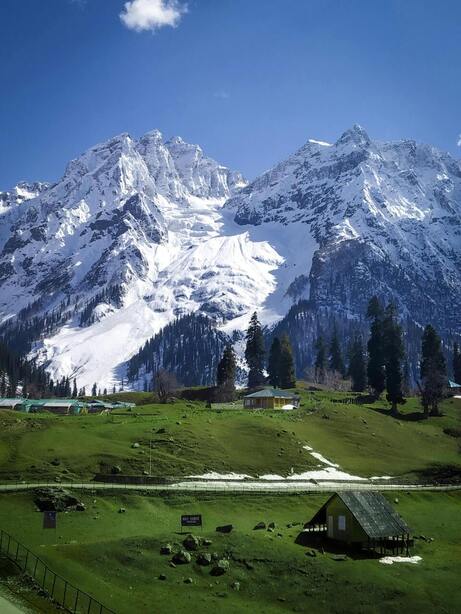
Sonamarg — The Meadow of Gold — earns its most dramatic title in winter, when the entire valley transforms into an ocean of white under heavy Himalayan snowfall. Sitting at 9,000 feet, Sonamarg in winter is not for the faint-hearted — roads can close after heavy snowfall and temperatures plunge deeply — but for those who make it here, the reward is one of the most awe-inspiring winter landscapes in India. Snowfields stretch for miles, frozen streams glitter between pine trees, and the Thajiwas Glacier, just 3 km from the town, looms massively white against a clear blue winter sky.
In winter, the famous Thajiwas Glacier Trek is transformed entirely — instead of a hiking trail, it becomes a snowmobile and snow-walking route, with thick snow covering the entire approach and the glacier itself providing an otherworldly backdrop. Zero Point and the Zojila Pass, around 25 km away, offer the most extreme snow scenery in all of Kashmir.
Winter Activities in Sonamarg:
- Snowmobile rides to Thajiwas Glacier
- Snow trekking and winter nature walks
- Snow sledging and snowball activities at the glacier
- Photography of frozen streams, snowfields, and dramatic mountain backdrops
- Day trip to Zero Point (road access dependent on conditions)
- Ice fishing in frozen mountain streams
Best Time in Winter: January to March (check road conditions before travelling) | Temperatures: -8°C to 4°C
Important: Always check road conditions before heading to Sonamarg in winter. The Srinagar–Sonamarg highway can close temporarily after heavy snowfall. Hire an experienced local driver with a 4x4 vehicle.
5. Yusmarg – Kashmir's Most Peaceful Offbeat Winter Escape
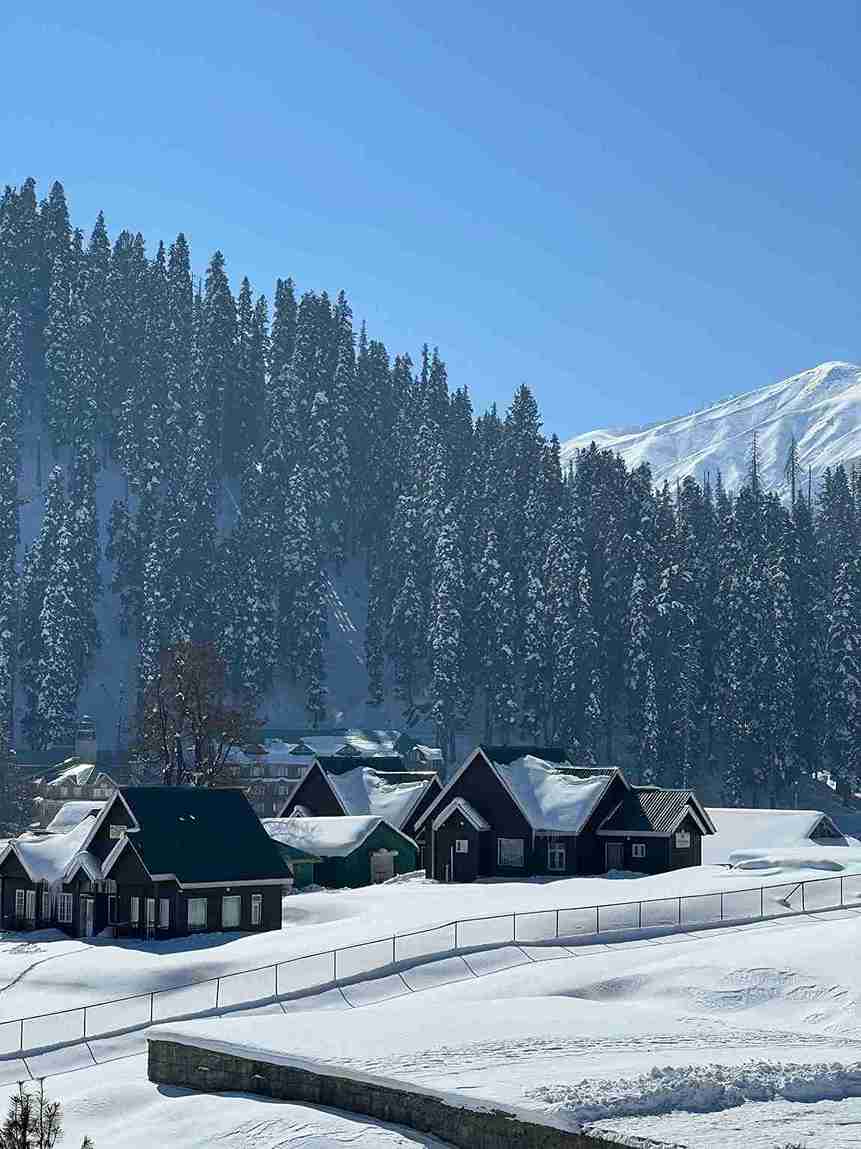
If Gulmarg is Kashmir's famous winter headline, then Yusmarg is its best-kept secret. Located about 47 km southwest of Srinagar in the Budgam district, Yusmarg is an alpine meadow ringed by dense pine and fir forests and flanked by the Tosa Maidan range. In winter, it receives heavy snowfall that covers the entire meadow in a deep, undisturbed layer of white — yet it attracts only a fraction of the crowds that flock to Gulmarg or Pahalgam, making it one of the most peaceful and authentic winter experiences in all of Kashmir.
Yusmarg is perfect for travellers who want to experience Kashmir's snow in its most natural, uncommercialised state. There are no ski resorts, no gondolas, no queues — just open white meadows, silent pine forests heavy with snow, and the kind of stillness that is increasingly rare in popular hill stations. Affordable homestays offer warm Kashmiri hospitality at ₹1,000–₹3,000 per night.
Winter Activities in Yusmarg:
- Snow treks through pine forests and open meadows
- Pony rides across snowfields
- Snow photography in completely unspoiled natural settings
- Bonfires and local Kashmiri meals at homestays
- Birdwatching — Yusmarg's forests are rich in Himalayan bird species year-round
Best Time in Winter: December to February | Temperatures: -4°C to 6°C
Pro Tip: Yusmarg is best visited as a day trip from Srinagar or as a 1–2 night stay. Book a local homestay in advance — options are limited but the hospitality is exceptional.
Kashmir Winter Destinations – Quick Comparison
| Destination | Best For | Best Months | Distance from Srinagar |
|---|---|---|---|
| Gulmarg | Skiing, Gondola, Adventure Sports | December – March | 50 km |
| Srinagar | Frozen Lakes, Houseboats, Culture | November – February | 0 km (base city) |
| Pahalgam | Family Snow Trips, Snow Walks | December – February | 95 km |
| Sonamarg | Dramatic Snowfields, Glacier, Snowmobiles | January – March | 87 km |
| Yusmarg | Offbeat, Peaceful, Photography | December – February | 47 km |
Chillai Kalan – Kashmir's 40-Day Winter Heart
No Kashmir winter guide is complete without mentioning Chillai Kalan — the harshest, most intense phase of winter in Kashmir. Running from 21st December to 31st January, this 40-day period is when snowfall is heaviest, temperatures are lowest, and the valley is at its most dramatically wintry. Dal Lake freezes over, mountain passes close, and Kashmir truly becomes a world apart. Visiting during Chillai Kalan is not for the unprepared — but for those who come ready, it is the most unforgettable version of Kashmir imaginable.
After Chillai Kalan, winter continues in two softer phases: Chillai Khurd (20 days) and Chillai Bachha (10 days), which take the cold season through to late February.
Things to Do in Kashmir in Winter
Skiing and Snowboarding in GulmargIndia's best skiing destination. Slopes for all levels from beginner to expert, with ski rentals, certified instructors, and the iconic Gondola to Apharwat Peak.
((boat w22))Shikara Ride on Frozen Dal LakeGliding on a Shikara over partially frozen, mirror-still water with snow-capped mountains reflected below — one of the most iconic winter experiences in India.
((campfire w22))Stay in a Heated HouseboatA traditional Kashmiri houseboat with a Bukhari (wood-fired heater) burning through the night, snow falling gently on the deck, and mountains glowing pink at dawn.
Snowmobile Ride to Thajiwas GlacierSonamarg's winter highlight — ride a snowmobile across deep snowfields to the foot of the Thajiwas Glacier for a raw and exhilarating Himalayan snow experience.
Snow Treks in Betaab Valley and Aru ValleyWalk through Pahalgam's snow-covered valleys for a peaceful, low-altitude winter trekking experience perfect for families and first-time snow visitors.
Eat Like a Local — Kashmiri Winter FoodWinter is when Kashmir's food culture truly shines. Must-try winter dishes include Harissa (a slow-cooked mutton and wheat breakfast dish), Rogan Josh, Gushtaba, Dum Aloo, and endless rounds of Kahwa (saffron-spiced green tea) and Noon Chai (salty pink tea).
How to Reach Kashmir in Winter
By Air: Sheikh ul-Alam International Airport in Srinagar operates flights year-round from Delhi, Mumbai, Bangalore, and other major cities. Flights sometimes face delays during heavy snowfall days — plan with flexibility.
By Train: The most scenic option — take the train from Jammu to Banihal or Anantnag via the Udhampur–Srinagar–Baramulla Rail Link. The Banihal–Srinagar stretch passes through tunnels in the snowy mountains for a breathtaking journey.
By Road: Srinagar is connected via NH-44 from Jammu (approximately 300 km). Road conditions in winter can be challenging — always check for closures or restrictions, especially on routes to Sonamarg and higher altitudes.
Travel Tips for Kashmir in Winter
- Clothing is everything: Pack thermal innerwear, heavy woollen layers, a windproof outer jacket, waterproof snow boots, thick gloves, a warm cap, and a muffler. Temperatures can dip to -10°C in January.
- Hire local drivers: Local cab drivers know winter road conditions intimately. For routes to Sonamarg or Gulmarg, always opt for a 4x4 vehicle and a driver experienced in winter driving.
- Book early: Winter is peak season for Kashmir. Popular houseboats in Srinagar and ski resorts in Gulmarg fill up months in advance — especially for December and January.
- Sun protection: Snow reflects UV radiation intensely. Even on overcast winter days, carry sunscreen (SPF 50+) and UV-protection sunglasses.
- Stay hydrated: Cold, dry mountain air causes dehydration faster than you realise. Drink plenty of warm fluids — Kahwa and herbal teas count.
- Carry valid ID: Always have a government-issued photo ID (Aadhaar, Passport, Driving Licence). It is required at checkpoints throughout Jammu & Kashmir.
- Carry cash: ATMs can be inaccessible in heavy snowfall. Carry enough cash for local expenses, especially in Sonamarg, Yusmarg, and higher-altitude spots.
- Combine destinations: A well-planned Kashmir winter trip can cover Srinagar (2 nights) + Gulmarg (2 nights) + Pahalgam (1 night) in 5–6 days comfortably. Add Sonamarg or Yusmarg for a longer itinerary.
FAQs About Kashmir in Winter
What are the top 5 places to visit in Kashmir in winter?
The top 5 places to visit in Kashmir in winter are: 1. Gulmarg (skiing and snow sports), 2. Srinagar (frozen Dal Lake and houseboat stays), 3. Pahalgam (snow-covered valleys and family trips), 4. Sonamarg (dramatic snowfields and Thajiwas Glacier), and 5. Yusmarg (offbeat, peaceful snow meadows).
What is Chillai Kalan?
Chillai Kalan is the harshest 40-day phase of winter in Kashmir, running from 21st December to 31st January. It is the period of heaviest snowfall, lowest temperatures, and the most dramatic winter landscapes across the valley.
When is the best time to visit Kashmir for snowfall?
January is the best month for snowfall in Kashmir, with heavy, consistent snow across all major destinations. December and February are also excellent — December for the early winter atmosphere, February for stable snow conditions and winter festivals.
Is Kashmir safe to visit in winter?
Yes, Kashmir is safe to visit in winter. Major destinations like Srinagar, Gulmarg, and Pahalgam are accessible and well-serviced throughout winter. Sonamarg and high-altitude routes require checking road conditions before travel. Always hire experienced local drivers for mountain roads.
What should I pack for Kashmir in winter?
Pack thermal innerwear, heavy woollen layers, a windproof jacket, waterproof snow boots, thick gloves, a warm cap, sunscreen (SPF 50+), UV sunglasses, moisturiser, lip balm, a power bank, and valid ID proof. Carry cash as ATMs can be inaccessible during heavy snowfall.
Does Dal Lake freeze in winter?
Yes, Dal Lake and Nigeen Lake in Srinagar can freeze — partially in December and more completely in January during heavy cold spells. In peak Chillai Kalan, the ice can become thick enough to walk on. The sight of a partially frozen Dal Lake is one of the most iconic winter images of Kashmir.
What is the temperature in Kashmir in winter?
In January (the coldest month), temperatures in Srinagar range from 2°C in the day to -5°C at night. Gulmarg is colder, ranging from -2°C to -15°C. Higher altitude locations like Sonamarg can reach -20°C in peak winter.
Can I ski in Kashmir as a beginner?
Yes. Gulmarg's ski resort, managed by the J&K Tourism Department, offers beginner-friendly slopes, equipment rentals, and certified ski instructors. Ski lessons are available from ₹2,000 per hour. No prior experience is needed to start.
Plan Your Kashmir Winter Trip With Thrill Top Journeys
- Let us take care of everything — from houseboat bookings and ski resort access to winter itineraries designed around your pace and budget.
- Book Now! +91 9797776779
Author Bio
Aaqib Bhat is a travel writer passionate about documenting Kashmir's cultural and spiritual landmarks. Through Thrillop, he helps travelers experience Kashmir beyond the ordinary.