
Wular Lake | Asia's Largest Freshwater Lake in Kashmir
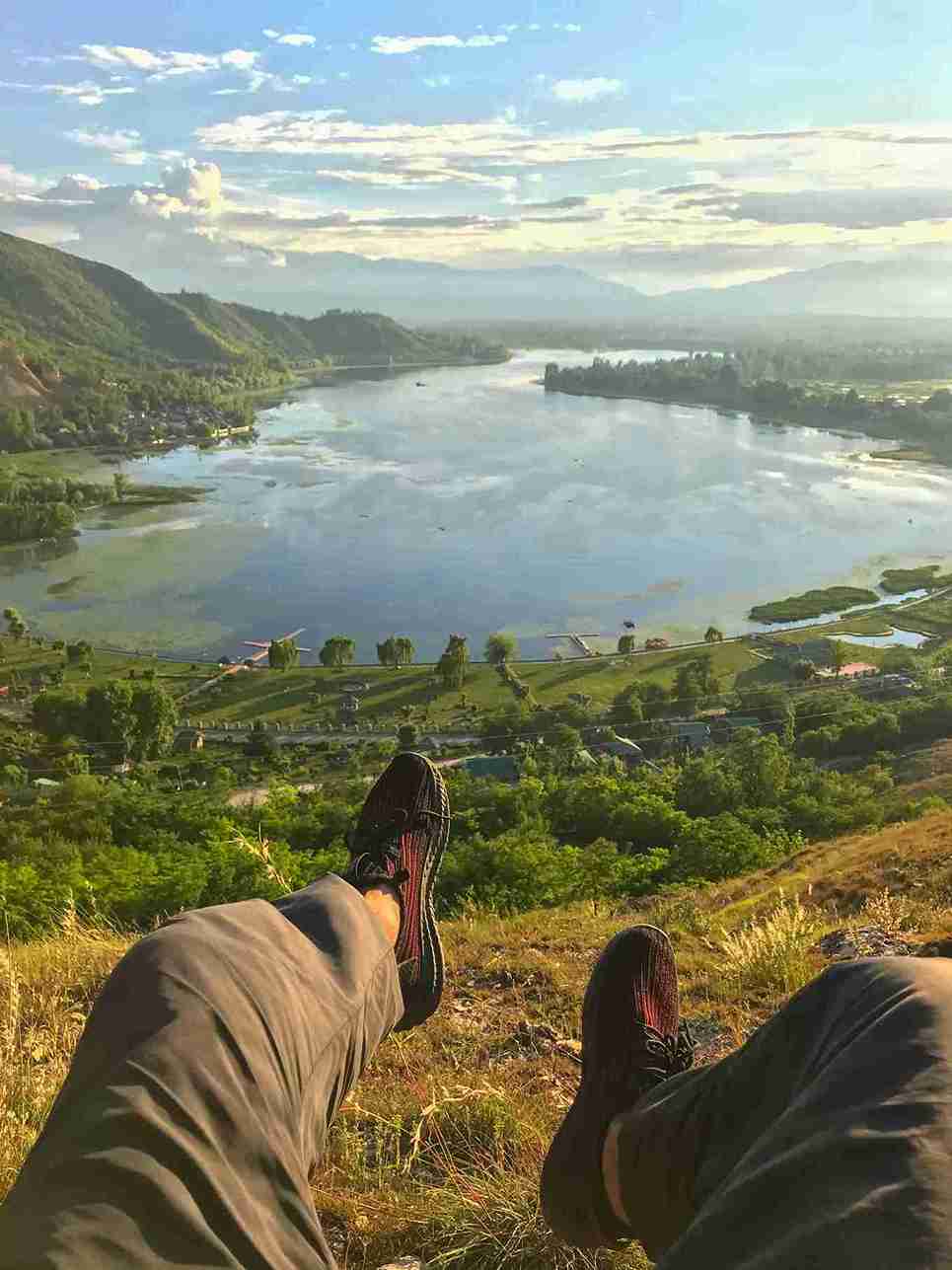
Located in the Bandipora district of Kashmir, Wular Lake is one of the largest freshwater lakes in Asia, with a surface area that varies seasonally between roughly 30 and 189 square kilometres. Fed by the Jhelum River, it stretches about 16 km in length and reaches a maximum depth of 14 metres, framed by the Pir Panjal and Himalayan ranges. Unlike Dal or Nigeen, Wular is less about houseboats and shikara photo-ops and more about scale, ecology, and quiet — it's a working lake for local fishing communities as much as it is a birdwatcher's destination.
This guide covers Wular's history, top attractions, best season to visit, and how to reach it — written for travellers who want to see a different, less commercialised side of Kashmir's lakes.
History and Significance of Wular Lake
Wular Lake carries real historical weight. Ancient Sanskrit texts, including the Nilamata Purana, refer to it as "Mahapadmasar," and it's believed to be a remnant of an even older lake, Satisar, that once covered much of the Kashmir Valley. The lake's name itself is thought to derive from the Sanskrit word "volla," meaning turbulent — a reference to the sudden, sharp waves that can develop across its surface during windy weather.
For centuries, Wular has been a lifeline for surrounding communities — supplying fish, water, and fertile floodplain soil — and it continues to serve as a natural flood reservoir for the Jhelum River, absorbing excess water during the monsoon and snowmelt seasons. In recognition of its ecological importance, Wular was designated a Ramsar Wetland Site of International Importance in 1990.
How to Reach Wular Lake
| From | Distance | Time |
|---|---|---|
| Srinagar | ~60 km | Approx. 2 hours by road |
| Bandipora town | ~15 km | Nearest major town, with local bus connections |
| Sopore Railway Station | ~25–30 km | Nearest railhead |
| Srinagar International Airport | ~60–70 km | Nearest airport |
Wular sits between the towns of Sopore and Bandipora, and both a Srinagar-Bandipora route and a Sopore-Bandipora route offer scenic approaches to the lake. Taxis and buses run from Srinagar; a private cab is the more comfortable option if you're combining Wular with other North Kashmir stops.
Top Attractions at Wular Lake
- Watlab: A hilltop viewpoint offering panoramic views over Wular, known for its orchards and the Noor Shah (Baba Shukur-ud-Din) shrine.
- Birdwatching: Wular hosts over 190 recorded bird species, including large numbers of migratory birds arriving from Siberia and Central Asia each winter.
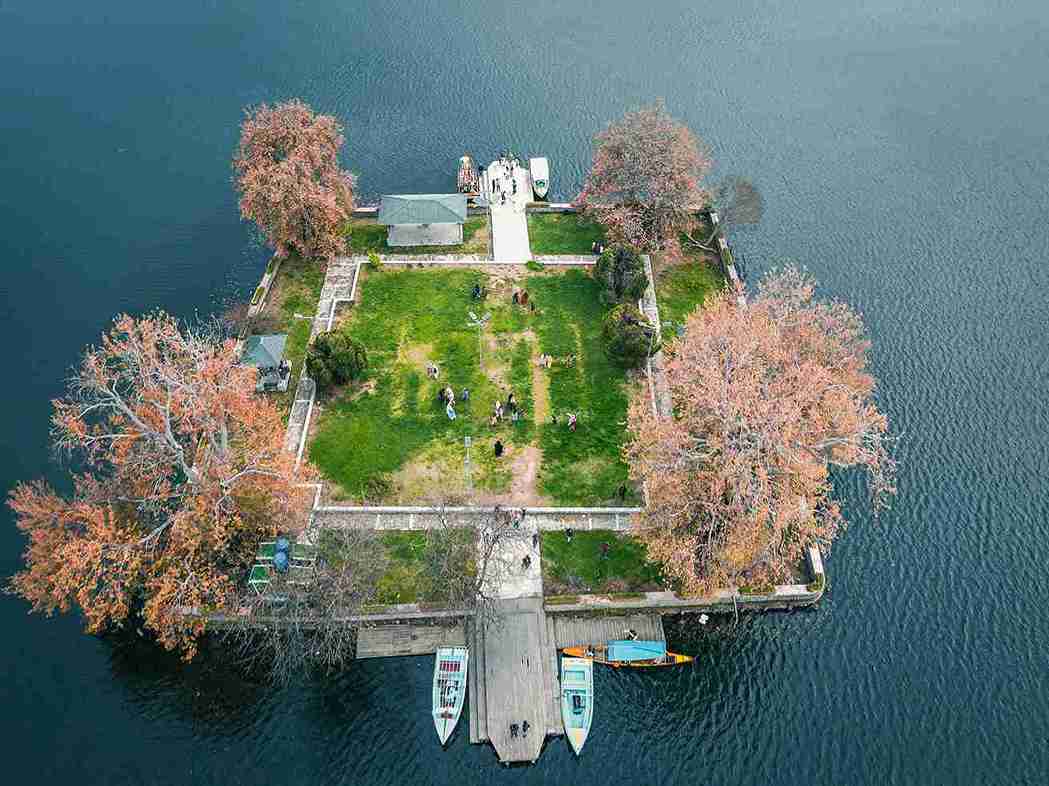
- Zaina Lank Island: A small artificial island at the centre of the lake, constructed by the 15th-century Kashmiri ruler Sultan Zain-ul-Abidin.
- Village walks: Hamlets around the lake, particularly near Bandipora and Ajas, offer a genuine look at Kashmiri rural and fishing life.
Best Time to Visit Wular Lake
| Season | Months | Conditions |
|---|---|---|
| Spring–Autumn | April to October | Pleasant weather, clear skies — the most comfortable window for boating and photography |
| Winter | November to February | Cold and often misty, but the best window for birdwatching as migratory flocks arrive |
Things to Do at Wular Lake
- Boating: Local shikaras and small fishing boats can be arranged to explore the lake's vast, open expanse.
- Fishing: The lake supports Common Carp, Crucian Carp, and Rainbow Trout — try trout fishing with local fishermen where permitted.
- Photography: Sunrise and sunset produce the clearest reflections of the surrounding mountains on calm days.
- Picnics: The lakeside meadows and the Wular Vantage Park offer relaxed, family-friendly picnic spots with wide views of the lake.
Where to Stay Near Wular Lake
Wular Lake itself has very limited accommodation, being a largely undeveloped, ecologically protected area — a handful of guesthouses, homestays, and campsites operate nearby. Most travellers base themselves in Srinagar, which offers the widest range of hotels, resorts, and houseboats across all budgets, and visit Wular as a day trip. Bandipora and Sopore also have basic local stay options if you want to be closer to the lake itself.
Travel Tips for Wular Lake
- How to reach: Wular Lake is about 60 km from Srinagar; taxis and buses are both available.
- Carry binoculars: Essential if birdwatching is a priority — the lake hosts a genuinely wide range of species.
- Photography: Early mornings and sunsets give the calmest water and the best reflections.
- Be eco-conscious: Wular is an ecologically sensitive Ramsar wetland — avoid littering and stick to designated viewing and boating areas.
Fun Facts About Wular Lake
- It's one of the largest freshwater lakes in Asia, with a seasonal surface area ranging from about 30 to 189 sq km.
- It's a Ramsar Wetland Site of International Importance, designated in 1990, hosting over 190 recorded bird species.
- Its name is believed to derive from the Sanskrit word "volla," meaning turbulent — a reference to the sudden waves that can form across the lake.
- The lake's Zaina Lank island was built by 15th-century ruler Sultan Zain-ul-Abidin.
- Ancient texts, including the Nilamata Purana, refer to Wular by its older name, "Mahapadmasar."
Wular Lake — Quick Reference
| Question | Answer |
|---|---|
| Location | Bandipora district, Kashmir |
| Surface area | ~30–189 sq km, seasonal |
| Maximum depth | ~14 m (46 ft) |
| Distance from Srinagar | ~60 km, ~2 hours by road |
| Fed by | Jhelum River |
| Ramsar status | Designated 1990 |
| Best time for birdwatching | November to February |
FAQs — Wular Lake
Why is Wular Lake famous?
Wular Lake is famous as one of the largest freshwater lakes in Asia, recognised as a Ramsar Wetland Site of International Importance, and known for birdwatching, fishing, and its scale-driven scenic beauty rather than the more commercial houseboat culture of Dal or Nigeen Lake.
How far is Wular Lake from Srinagar?
Wular Lake is about 60 km from Srinagar, roughly a 2-hour drive by road via Bandipora.
Is boating allowed at Wular Lake?
Yes, local shikaras and small fishing boats are available for exploring the lake, though the boating culture here is quieter and more locally run than the tourist-oriented rides on Dal Lake.
What is the best time for birdwatching at Wular Lake?
November to February is the best window, when migratory birds arrive from Siberia and Central Asia. Over 190 bird species have been recorded at Wular, making it one of Kashmir's most significant birdwatching sites.
Is there accommodation available near Wular Lake?
Accommodation directly at Wular is limited to a few guesthouses, homestays, and campsites, since it's a protected ecological zone. Most travellers stay in Srinagar, which has a much wider range of hotels and houseboats, and visit Wular as a day trip.
Why is Wular Lake called a Ramsar site?
Wular Lake was designated a Ramsar Wetland Site of International Importance in 1990 due to its ecological significance as a habitat for migratory birds and its role as a natural flood reservoir for the Jhelum River.
Wular Lake is the heartbeat of Kashmir's freshwater ecosystem — a working lake as much as a scenic one, offering birdwatching, fishing, and boating without the tourist rush of the valley's more famous lakes. Add it to your Kashmir itinerary if you want to see a genuinely different, ecologically significant side of the region.
Explore More of North Kashmir With Thrill Top Journeys
Wular pairs naturally with a wider North Kashmir trip — combine it with Watlab's hilltop viewpoint over the same lake, or the calmer Manasbal Lake nearby. For city-based stays, most travellers base themselves in Srinagar.
- Call or WhatsApp: +91 9797776779
- Browse All Kashmir Tour Packages
Author Bio
Aaqib Bhat is a travel writer passionate about Kashmir's landscapes, culture, and heritage. Through his work with Thrillop, he highlights lesser-explored destinations like Wular Lake for travelers seeking authentic experiences.