
Zanskar Valley Ladakh | Chadar Trek, Monasteries, How to Reach & Complete Travel Guide 2026
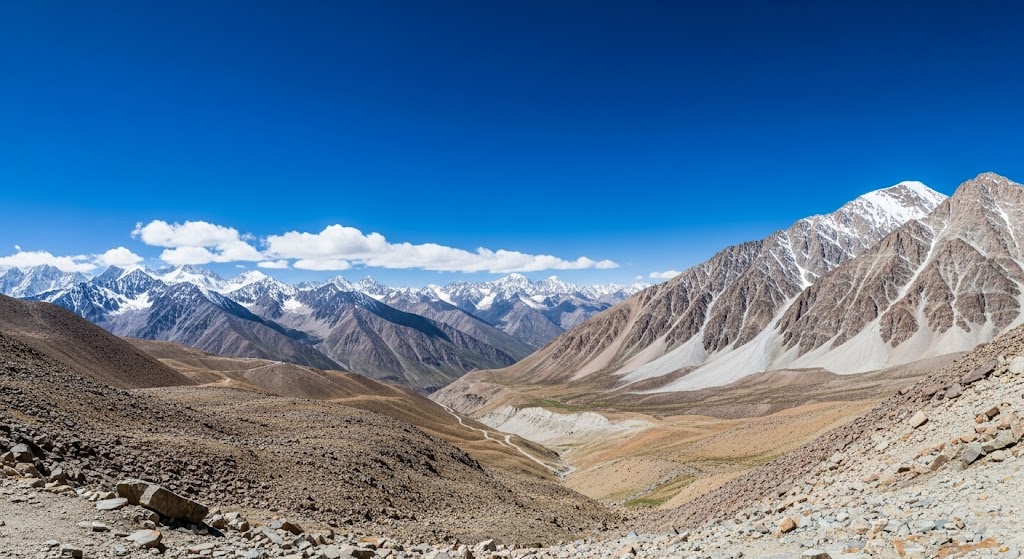
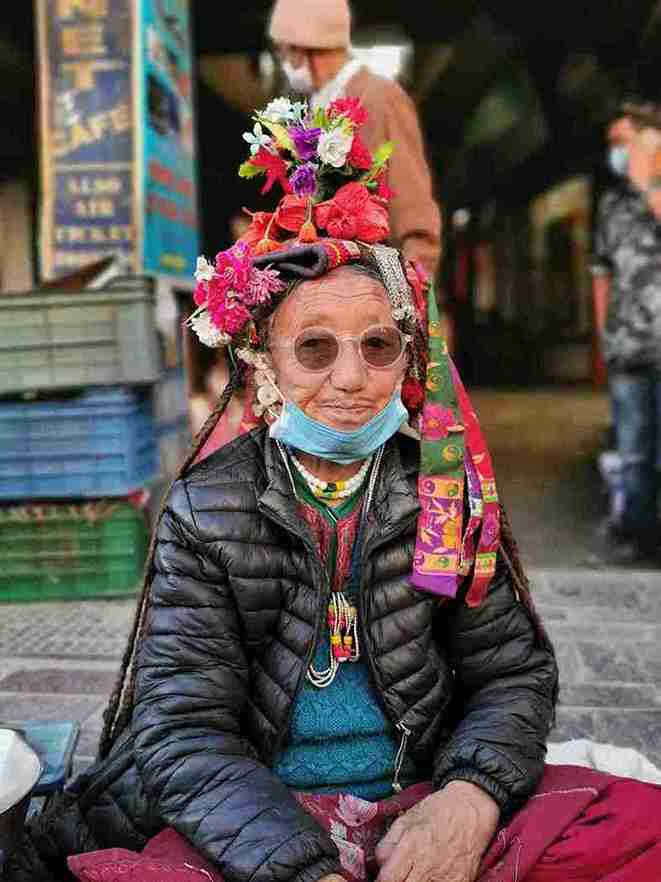
There are places in India that people visit and places that people seek. Zanskar Valley belongs firmly to the second category. You do not stumble upon Zanskar. You plan for it, prepare for it, drive across one of the highest motorable passes in the world to reach it, and then — with Pensi La finally behind you and the Zanskar River gorge opening below — you understand immediately why people speak of this place the way they do. In hushed tones. As if they are still trying to process what they saw.
Zanskar is the most isolated major valley in the Indian Himalayas. Cut off for nearly seven months of the year by snow, ringed by the Himalayan and Zanskar mountain ranges, drained by a river system that carves some of the deepest gorges on the subcontinent — it has preserved a version of Tibetan Buddhist culture that has largely disappeared everywhere else. The monasteries here are not museums. The monks are not performers for tourists. The culture is alive, ancient, and entirely itself. And in winter, when the Zanskar River freezes into the famous Chadar — a thick sheet of ice stretching through vertical canyon walls — it becomes the setting for one of the most extraordinary trekking experiences on earth.
Zanskar Valley — Quick Reference
| Detail | Information |
|---|---|
| Location | Kargil District, Ladakh, India |
| Main Town | Padum (administrative capital) |
| Altitude of Padum | 3,669 m (12,037 ft) |
| Valley Area | ~5,000 sq km |
| Distance from Leh | ~450 km via Kargil | ~240 km via new Nimmu–Padum–Darcha road |
| Distance from Kargil | ~235 km (8–10 hours drive) |
| Gateway Pass | Pensi La — 4,400 m (14,436 ft) |
| Road Open | June to mid-October (Kargil route) | May onwards (new Nimmu–Padum road) |
| Best Time to Visit | June–September (summer) | January–February (Chadar Trek) |
| Permit Required | Inner Line Permit (ILP) required — check current regulations |
| Nearest Airport | Kushok Bakula Rimpochee Airport, Leh (~450 km) |
What Does Zanskar Mean?
The word Zanskar is derived from the Tibetan language — Zang meaning "copper" and Kar meaning "valley" — a reference to the copper deposits found in the region's geology. Historically, Zanskar was a small independent Buddhist kingdom, one of the two capitals of which was Padum (named after the Buddhist guru Padmasambhava). The valley was once part of the ancient Silk Route connecting Ladakh, Tibet, and Kashmir. Today, the Zanskar royal family still resides in the valley, though only in a ceremonial role.
Where is Zanskar Valley Located?
Zanskar Valley is located in the Kargil district of Ladakh, to the southwest of Leh, surrounded by the Himalayan and Zanskar mountain ranges. The valley sits at an average elevation of approximately 3,650–4,000 metres, with the main town of Padum at 3,669 m (12,037 ft). The valley is formed by two rivers — the Doda (Stod) and Tsarap (Lungnak) — which merge near Padum to form the Zanskar River, which then cuts a dramatic 100+ km gorge northward before joining the Indus near Nimmu, 35 km from Leh.
Why is Zanskar Valley Famous?
Zanskar's fame rests on a combination of extreme remoteness, extraordinary landscape, and profound cultural authenticity:
- The Chadar Trek — one of the world's most iconic winter treks, walking on the frozen Zanskar River through vertical 600-metre canyon walls
- Phugtal Monastery (Phugtal Gompa) — arguably the most dramatic monastery in India, built directly into a honeycomb cave in a sheer cliff face, accessible only on foot
- Complete isolation for 7 months — the valley is cut off by snow from November to May, preserving a culture unchanged for centuries
- World-class white water rafting on the Zanskar River gorge — one of the most challenging and remote rafting routes in Asia
- Drang Drung Glacier — one of the largest glaciers in Ladakh, visible from Pensi La Pass
- Ancient living monasteries — Karsha, Stongdey, Bardan, Sani, and Zongkhul — where centuries-old rituals continue uninterrupted
How to Reach Zanskar Valley
Reaching Zanskar is an adventure in itself. There are three routes, each offering a different entry experience:
Route 1 — Kargil to Padum via Pensi La (Main Route)
| Detail | Information |
|---|---|
| Route | Kargil → Suru Valley → Rangdum → Pensi La (4,400 m) → Padum |
| Distance | ~235 km |
| Drive Time | 8–10 hours |
| Road Condition | Partly paved, partly unpaved — requires 4x4 or sturdy SUV |
| Open | June to mid-October |
| Highlights En Route | Suru Valley, Parkachik Glacier, Drang Drung Glacier (from Pensi La), Rangdum Monastery |
This is the traditional, most established route. The drive through the Suru Valley is stunning — wide glacial plains, the looming white face of the Nun-Kun massif (7,000+ m), and the extraordinary Drang Drung Glacier visible from the Pensi La summit. The descent into Zanskar after Pensi La is one of the great road moments in India — suddenly the austere, golden-brown valley opens below you.
Route 2 — Leh to Padum via Nimmu–Padum–Darcha Road (New Route)
| Detail | Information |
|---|---|
| Route | Leh → Nimmu → Chilling → Zanskar Gorge → Padum |
| Distance | ~240 km |
| Drive Time | 10–12 hours |
| Road Status | Partially complete — half tarmac, half unpaved as of 2026 |
| Significance | Follows the same gorge as the Chadar Trek route — extraordinary scenery |
The Nimmu–Padum–Darcha (NPD) road is a Border Roads Organisation project that will eventually provide year-round connectivity between Leh and Zanskar. As of 2026, roughly half is complete and driveable. The route follows the Zanskar River gorge — the same gorge trekkers walk in winter on the Chadar Trek — offering extraordinary views of near-vertical canyon walls. This road will transform access to Zanskar when complete.
Route 3 — Manali to Padum via Darcha–Shinku La
| Detail | Information |
|---|---|
| Route | Manali → Keylong → Darcha → Shinku La Pass → Padum |
| Distance | ~330 km from Manali |
| Drive Time | 12–15 hours |
| Open | June to October (pass dependent on seasonal clearance) |
| Best For | Travellers coming from Manali/Himachal who want to enter Zanskar directly |
By Air + Road
Fly to Kushok Bakula Rimpochee Airport in Leh, acclimatise for 2 full days in Leh, then drive to Kargil (213 km, 5–6 hours) and onward to Padum (235 km, 8–10 hours). The total journey from Leh to Padum via Kargil takes 2 days with an overnight stop in Kargil.
Important: Fill your fuel tank completely in Kargil. There are no reliable petrol pumps on the road to Padum and supplies even in Padum can be limited. Carry extra fuel.
Top Places to Visit in Zanskar Valley
1. Phugtal Monastery (Phugtal Gompa)
Phugtal Monastery is the most visually extraordinary monastery in Ladakh — and arguably in all of India. Built directly into and around a massive cave in a sheer cliff face in the Lungnak Valley of southeastern Zanskar, it resembles a honeycomb of white cells clinging to an impossible rock face. Founded in the 15th century, it houses around 70 monks and contains ancient murals, libraries of Buddhist texts, and a sacred spring that flows from within the cave itself.
Reaching Phugtal requires a 7 km trek from Purne village (approximately 2 hours each way). The approach through the Lungnak gorge, with the monastery growing larger on the cliff above you as you near it, is one of the most cinematic approaches to any building in the world. This is the most unmissable attraction in Zanskar.
| Detail | Information |
|---|---|
| Distance from Padum | ~100 km by road to Purne, then 7 km trek |
| Trek Time | ~2 hours each way |
| Best Time | June to September |
| Overnight Option | Basic camping at Purne village |
2. Karsha Monastery
Karsha Monastery is the largest monastic establishment in Zanskar, situated on the banks of the Doda River, 9 km from Padum. It houses approximately 100 monks and contains some of the finest Buddhist wall paintings in the region — including 500-year-old murals in the Lhabrang (teaching room). The monastery complex climbs the hillside above the Doda Valley with outstanding views of the Padum plain and surrounding mountains.
3. Stongdey Monastery
Stongdey (also Stongdae) is Ladakh's second-largest monastic institution, perched dramatically on a hilltop above the Zanskar Valley. The monastery is associated with the great translator Phagspa Sherab (11th century) and contains ancient rock carvings in addition to the gompa complex. A manageable trek from the road leads to the monastery, with panoramic valley views at the top.
4. Sani Monastery and Stupa
Sani Gompa, 7 km before Padum, is unique among Zanskar's monasteries in being built on flat ground rather than a cliff or hilltop. According to legend, its origins are associated with the Kushan ruler Kanishka (2nd century AD), making it potentially one of the oldest Buddhist sites in Ladakh. The Kanishka Stupa in the monastery's courtyard is one of the oldest stupas in the entire Himalayan region. A deeply peaceful and historically significant site.
5. Drang Drung Glacier
Visible from Pensi La Pass on the road to Zanskar, the Drang Drung Glacier is one of the largest glaciers in Ladakh — a massive river of ice flowing from the Zanskar Range into the valley below. It is the primary source of the Stod River (Doda chu), which flows to Padum. The view of the glacier from Pensi La, with its blue-white ice against dark mountain rock, is one of the most striking sights on the journey into Zanskar.
6. Zangla Palace and Village
Zangla was historically the second capital of the Zanskar Kingdom alongside Padum. The ruined Zangla Palace, perched on a ridge above the village, and the ancient monastery below it offer a glimpse into medieval Zanskari royal culture. Zangla is also the starting point for several multi-day treks, and local homestays here offer some of the most authentic Zanskari hospitality available to visitors.
7. Zongkhul Monastery
Zongkhul (Zongkul) Gompa is a remote cave monastery in a side valley near the village of Ating, historically associated with the 10th-century Indian yogi Naropa, one of the great figures of Tibetan Buddhism. It is accessible via a trek from Padum and offers one of the most spiritually charged and architecturally unique monastery experiences in Zanskar. Far fewer tourists reach Zongkhul than Phugtal, giving it an extra dimension of solitude and authenticity.
The Chadar Trek — Walking on the Frozen Zanskar River
The Chadar Trek is not just Zanskar's most famous experience — it is one of the most remarkable winter adventures available anywhere in the world. The word Chadar means "blanket" or "sheet" in Hindi — a reference to the thick sheet of ice that forms over the Zanskar River when temperatures plunge below -20°C in January and February, covering the river in a natural frozen road through the canyon.
For centuries before roads existed, this frozen river was the only winter route connecting Zanskar to the rest of Ladakh. Monks, children going to school, traders, and villagers all walked the Chadar during winter as the only way in or out of the valley. What was once necessity has become one of the world's most sought-after trekking experiences.
| Detail | Information |
|---|---|
| Trek Start Point | Chilling village (~35 km from Leh on the Zanskar River road) |
| Trek Distance | ~60–70 km one way (105 km total route) |
| Duration | 8–10 days total (including Leh acclimatisation) |
| Daily Distance | 8–16 km per day |
| Altitude Range | 3,100 m (start) to 3,850 m (Nerak) |
| Difficulty Level | Moderate to Difficult (extreme cold conditions) |
| Temperature | -5°C to -15°C daytime | -20°C to -30°C at night |
| Best Time | January to February (peak: late January to mid-February) |
| Highlights | Nerak Waterfall (frozen), Tibb Cave, canyon walls (up to 600 m vertical) |
| Permit Required | Wildlife permit + medical fitness certificate from Leh hospital |
| Age Limit | 13–60 years (medical certificate required above 60) |
| Minimum Fitness | Good physical condition; 1–2 months cardio and endurance training recommended |
Chadar Trek Highlights:
- Walking on the frozen river — the unique, surreal experience of stepping across a thick sheet of ice with 600-metre canyon walls rising on both sides
- Nerak Waterfall — a massive frozen cascade, the visual centrepiece of the trek; visitable only on Sundays and Wednesdays due to current construction activity
- Tibb Cave — a natural overhang in the cliff face used by trekkers as shelter; one of the most atmospheric camping spots on the route
- The canyon walls — some of the narrowest sections of the gorge are only 5 metres wide, with near-vertical walls rising 600 metres above the ice
- Cultural immersion — local Zanskari people still use the Chadar in winter, and encounters with monks, children, and traders on the frozen river are deeply moving
Important: The Chadar Trek requires a medical fitness certificate from a designated hospital in Leh. You cannot join the trek without it. All trekkers must spend at least 2 days acclimatising in Leh before starting.
Other Treks in Zanskar Valley
Beyond the Chadar, Zanskar offers some of the most remote and rewarding multi-day trekking routes in the Himalayas:
- Padum to Leh via Zanskar Gorge Trek: A 10–12 day route following the Zanskar River gorge from Padum to the confluence with the Indus — one of the great Himalayan wilderness routes
- Lamayuru to Padum Trek (Zanskar–Markha Valley): A classic 9–10 day trans-Himalayan route connecting Lamayuru Monastery near Leh to Padum, crossing multiple high passes
- Padum to Darcha Trek: A 7–8 day route from Padum through the Lungnak Valley, past Phugtal Monastery, crossing the Shingo La (5,091 m) to reach Darcha in Himachal Pradesh
- Stongdey Monastery Trek: A 5-hour day trek from Padum to Stongdey Monastery — accessible for most fit visitors with basic trekking experience
White Water Rafting on the Zanskar River
The Zanskar River rafting expedition is one of the most extreme and spectacular river journeys available in India. The river cuts through a gorge with near-vertical walls for over 100 km between Padum and its confluence with the Indus near Nimmu. The rapids — Grade III to Grade IV+ in sections — combined with the sheer scale of the canyon walls, make this one of the most dramatic river experiences in Asia. Multi-day expedition-style rafting trips from Padum to Nimmu take 4–7 days and require proper rafting experience and professional guides. A shorter introduction to rafting is available near Chilling, closer to the Leh end of the gorge.
Best Time to Visit Zanskar Valley
| Season | Period | Conditions | Best For |
|---|---|---|---|
| Early Summer | May–June | Roads opening, snow still on higher passes, cool and clear | Early season trekkers, photography |
| Peak Summer | July–September | All routes fully open, wildflowers, pleasant 15°C–25°C days, cold nights | Best overall: monastery visits, trekking, rafting, village walks |
| Autumn | October | Roads starting to close (mid-October), beautiful golden light, fewer tourists | Photography, solitude, last-season adventure |
| Winter | January–February | Roads completely closed, valley inaccessible except by frozen river; -20°C to -30°C at night | Chadar Trek ONLY — requires full preparation and a licensed operator |
Recommended best time: August and September — roads fully open, weather pleasant, all monasteries accessible, and reduced risk of road closures or bad weather compared to earlier months.
Where to Stay in Zanskar Valley
Accommodation in Zanskar is basic — this is a feature, not a bug. The simplicity of the stays here is part of what makes the experience authentic:
- Padum (Main Town): Small hotels and guesthouses with basic attached rooms — the best options in terms of facilities. Zanskar Kitchen and Cafe Ale Yato are well-regarded local restaurants. Cash only — ATM in Padum but can be unreliable.
- Village Homestays: Karsha, Zangla, Purne, and Cha offer traditional Ladakhi homestays with families. Basic facilities, exceptional hospitality, and home-cooked food. The most authentic Zanskar experience available.
- Camping: Camping is possible throughout the valley at designated spots. Bring your own equipment or hire through a tour operator in Leh or Kargil. Required for multi-day treks like the Padum–Phugtal–Darcha route.
- Rangdum (En Route): A popular overnight stop between Kargil and Padum, with a handful of basic guesthouses and tented camps near Rangdum Monastery.
Sample 5-Day Zanskar Itinerary
- Day 1: Fly to Leh. Acclimatise. Rest. Do not trek or drive long distances. Explore Leh market gently.
- Day 2: Acclimatise in Leh — visit Thiksey Monastery, Shey Palace, and Hemis Monastery. Easy cultural day without strenuous activity.
- Day 3: Early morning drive from Leh to Kargil (213 km, 5–6 hours). Overnight in Kargil.
- Day 4: Early drive from Kargil to Padum via Suru Valley, Rangdum, and Pensi La (235 km, 8–10 hours). Stop at Pensi La summit to view Drang Drung Glacier. Overnight in Padum.
- Day 5: Explore Padum — Karsha Monastery (9 km), Stongdey Monastery, Sani Gompa. Evening: Padum market. Overnight Padum.
For a complete Zanskar experience including Phugtal Monastery, allow a minimum of 7–9 days from Leh: 2 days acclimatisation in Leh + 2 days driving + 3–5 days exploring Zanskar (including overnight trek to Phugtal from Purne).
Essential Travel Tips for Zanskar
- ((medical w22))Acclimatise without shortcuts: Zanskar's roads cross passes above 4,400 m. Spend a minimum of 2 full days in Leh before starting the drive. Altitude sickness at these elevations can be dangerous. Carry Diamox (consult a doctor first).
- Fuel is critical: Fill your tank completely in Kargil — it is the last reliable fuel point before Padum. Carry an extra 5–10 litres in a jerry can. There is a fuel point in Padum but supply is inconsistent.
- Cash only: There is an ATM in Padum but it is frequently non-functional. Kargil is the last reliable ATM. Carry enough cash for your entire Zanskar stay.
- Connectivity: Jio and BSNL have intermittent coverage in Padum and some villages. Expect complete blackouts on the road from Kargil. Inform your contacts of your itinerary before you lose signal in Kargil.
- Vehicle requirement: A sturdy 4x4 or well-maintained SUV is strongly recommended. The Kargil–Padum road has unpaved sections, river crossings, and rough mountain terrain. Motorbikes are popular among experienced riders but demand mechanical competence and experience with Himalayan conditions.
- Local taxis only in Zanskar: Your Leh or Srinagar cab cannot be used for sightseeing within Zanskar. Only Kargil-registered local taxis are permitted. Arrange these in Padum through your guesthouse or hotel.
- Respect monastery etiquette: Remove footwear before entering prayer halls. Ask permission before photography inside. Dress modestly. Maintain silence in active prayer areas.
- Leave no trace: Zanskar's ecosystem is extraordinarily fragile at this altitude. Carry all plastic and trash out. Do not use soap or shampoo in or near rivers. Never disturb wildlife.
FAQs About Zanskar Valley
Where is Zanskar Valley located?
Zanskar Valley is located in the Kargil district of Ladakh, India, to the southwest of Leh. The valley sits at an average altitude of approximately 3,650 metres, surrounded by the Himalayan and Zanskar mountain ranges. The main administrative town is Padum, at 3,669 metres above sea level.
What does Zanskar mean?
Zanskar is derived from Tibetan — Zang meaning "copper" and Kar meaning "valley" — a reference to copper deposits in the region. The valley was historically a small independent Buddhist kingdom, one of whose capitals was Padum, named after the guru Padmasambhava.
How do I reach Zanskar Valley?
The primary route is from Kargil via the Suru Valley and Pensi La Pass (4,400 m) to Padum — approximately 235 km, taking 8 to 10 hours. This road is open from June to mid-October. The new Nimmu–Padum–Darcha road from Leh (via the Zanskar gorge, ~240 km) is partially complete as of 2026. Fly into Leh first, acclimatise for 2 days, then drive to Kargil for an overnight stop before continuing to Padum.
What is the best time to visit Zanskar Valley?
June to September is the best time for summer visits — roads are open, weather is pleasant, and all monasteries and treks are accessible. August and September are particularly recommended for stable conditions and fewer road closure risks. January to February is the only window for the Chadar Trek — but requires extensive preparation for extreme cold (-20°C to -30°C at night).
What is the Chadar Trek?
The Chadar Trek is a winter trek on the frozen Zanskar River — one of the world's most iconic adventure experiences. When temperatures plunge below -20°C in January and February, the river freezes into a thick sheet of ice (Chadar means "blanket" in Hindi), creating a natural walkway through a 600-metre-deep canyon. The trek covers approximately 60 to 70 km over 6 to 8 trekking days and starts from Chilling village near Leh. A medical fitness certificate from a Leh hospital and acclimatisation are mandatory.
How far is Zanskar Valley from Leh?
Via the traditional Kargil route (through Pensi La Pass), Padum in Zanskar is approximately 450 km from Leh — a 2-day journey with an overnight stop in Kargil. The new Nimmu–Padum–Darcha road (partially complete) reduces this to approximately 240 km via the Zanskar River gorge.
Is Phugtal Monastery worth visiting?
Yes — Phugtal Monastery is arguably the most visually extraordinary monastery in India. Built directly into a massive cliff cave in the Lungnak Valley, it is accessible via a 7 km trek from Purne village (approximately 2 hours each way). The approach and the monastery itself are genuinely unlike anything else in the Himalayas. It is the single most unmissable attraction in Zanskar for those who can make the trek.
Do I need a permit for Zanskar Valley?
Indian nationals generally require an Inner Line Permit (ILP) to enter certain restricted zones in Zanskar, particularly near the border areas. Regulations change — check current requirements through the official Leh DC office or with your tour operator before travelling. For the Chadar Trek specifically, a separate wildlife permit and medical fitness certificate are mandatory.
Plan Your Zanskar Valley & Ladakh Adventure With Thrill Top Journeys
- From Leh acclimatisation and Kargil overnight logistics to Padum local taxi bookings and Phugtal Monastery trek arrangements — let us plan your complete Zanskar adventure end-to-end.
- Call or WhatsApp Us! +91 9797776779
- View All Tour Packages →
Author Bio
Aaqib Bhat is a travel writer and Himalayan adventure specialist. Through Thrillop, he documents Kashmir and Ladakh's most extraordinary destinations for travellers who want to go beyond the tourist trail.
References
- District Kargil – Government of Ladakh
- Wikipedia – Padum
- Wikipedia – Chadar Trek
- Ladakh Government – Zanskar
- Incredible India