
Places to Visit in Kashmir | Your Complete Travel Guide for 2026
There is a reason Kashmir has been called heaven on earth for centuries — and it is not just one reason, but thousands of them. It is the particular shade of blue that Dal Lake turns at dawn. It is the way the Apharwat peaks catch the last light of day over Gulmarg. It is a shepherd's fire glowing in an Aru Valley meadow at dusk, and the smell of saffron drifting from the fields of Pampore. Kashmir is not merely a destination. It is a feeling — layered, unhurried, and impossible to fully describe until you have been here.
Whether you are a first-time visitor trying to figure out where to go, a honeymooner dreaming of a houseboat at sunrise, a trekker eyeing the glaciers, or a family looking for a safe and spectacular holiday — this guide covers everything you need. Here are the best places to visit in Kashmir in 2026, written with the depth and honesty these landscapes deserve.
Kashmir at a Glance
| Detail | Information |
|---|---|
| Location | Jammu & Kashmir, Northern India |
| Nearest Airport | Sheikh ul-Alam International Airport, Srinagar |
| Best Time to Visit | March to October (overall) | December to February (snow) |
| Languages Spoken | Kashmiri, Urdu, Hindi, English |
| Currency | Indian Rupee (₹) |
| Permits Required | None for Indian citizens in tourist areas |
| Recommended Trip Duration | 5–7 days (standard) | 8–12 days (extended) |
Best Time to Visit Kashmir
Kashmir is beautiful in every season — but each season offers a completely different Kashmir. Here is how to choose the right time for your trip:
- Spring (March – May): The most celebrated season. The Indira Gandhi Memorial Tulip Garden — Asia's largest — blooms from late March to late April. Mustard fields glow yellow, cherry blossoms line the boulevards, and temperatures are pleasantly cool. Ideal for sightseeing, gardens, and photography. Best overall time for first-time visitors.
- Summer (June – August): Peak tourist season with warm, sunny days (18°C–28°C). Meadows in Gulmarg and Sonamarg reach their greenest. Gondola rides, trekking, camping, and river activities are at their best. Book accommodation 2–3 months in advance.
- Autumn (September – November): Kashmir's most quietly magnificent season. Chinar trees blaze in red and gold, saffron harvests paint the Pampore fields purple, and tourist crowds thin dramatically. A wonderful time for photography, long drives, and exploring the valley at a relaxed pace. Best for photographers and those who prefer fewer crowds.
- Winter (December – February): The season of Chillai Kalan — heavy snowfall, frozen Dal Lake, and world-class skiing in Gulmarg. Dramatic, cold, and deeply atmospheric. Ideal for snow lovers, couples, and skiers. Best for snow experiences and adventure.
1. Srinagar – The Soul of Kashmir
Srinagar is where every Kashmir journey begins and, for most travellers, ends up being the place they remember most vividly. The city sits at the confluence of two lakes and the Jhelum River, surrounded by the Zabarwan Hills — and it carries within it centuries of history, spirituality, craftsmanship, and culture. The word Srinagar derives from Sanskrit, meaning City of Wealth — a name it earned through centuries of being the trade, culture, and administrative heart of the Kashmir Valley.
Srinagar's centrepiece is the legendary Dal Lake — a 26 sq km expanse of water that has been the defining image of Kashmir for generations. Here, houseboats — exquisitely crafted in walnut wood with traditional carved interiors — float along the lake's edge, each one a world unto itself. A sunrise Shikara ride through Dal Lake's quieter channels, past floating gardens of lotus and water chestnuts, past the gentle calls of vegetable vendors rowing their market boats out at dawn — is one of the most beautiful ways to begin a morning anywhere in India.
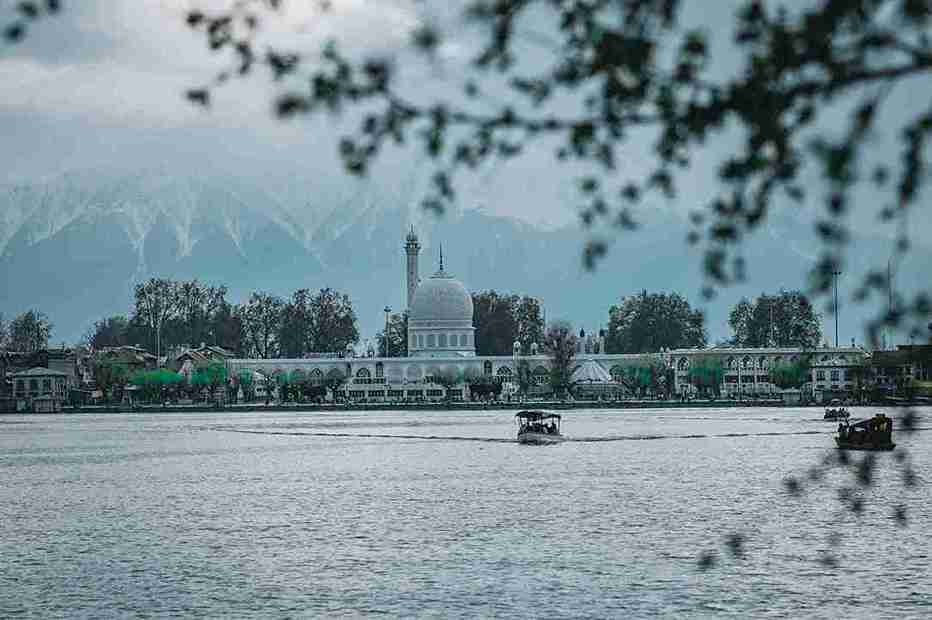
Beyond the lake, Srinagar is a city of layers. The Mughal Gardens along Dal Lake's northeastern shore — Shalimar Bagh, Nishat Bagh, and Chashme Shahi — are masterpieces of terraced Persian garden design, still immaculately maintained after 400 years. The old city's narrow lanes wind between ancient wooden mosques, roadside saffron sellers, and workshops where artisans sit cross-legged crafting papier-mâché, pashmina, and walnut-wood carvings in the same way their grandfathers did. The Hazratbal Shrine on the western shore of Dal Lake reflects perfectly in the water it overlooks, and the Shankaracharya Temple on its hilltop watches over the entire city from above.
In April, Srinagar hosts one of India's most spectacular natural events — the blooming of the Indira Gandhi Memorial Tulip Garden, with over 1.5 million tulips in 68 varieties turning the hillside into a canvas of colour.
Top Attractions in Srinagar:
- Dal Lake – Shikara rides, floating markets, and overnight houseboat stays
- Nigeen Lake – The quieter, more pristine "Jewel in the Ring" — ideal for private houseboat stays
- Mughal Gardens – Nishat Bagh, Shalimar Bagh, and Chashme Shahi along Dal Lake's shore
- Hazratbal Shrine – One of Kashmir's most revered dargahs, directly on the lake
- Shankaracharya Temple – 5th century hilltop Shiva temple with panoramic city views
- Indira Gandhi Memorial Tulip Garden – Asia's largest tulip garden, open March–April
- Hari Parbat Fort – 17th-century Mughal fort overlooking the city
- Lal Chowk – The cultural and commercial heart of downtown Srinagar
Best Time: March to October | Distance: Base city | Temperature: -2°C to 30°C (seasonal)
Insider Tip: Stay at least one night on a houseboat — it is not just accommodation, it is the experience. Nigeen Lake houseboats offer more privacy and exclusivity than Dal Lake for a premium feel.
2. Gulmarg – The Meadow of Flowers & India's Skiing Capital
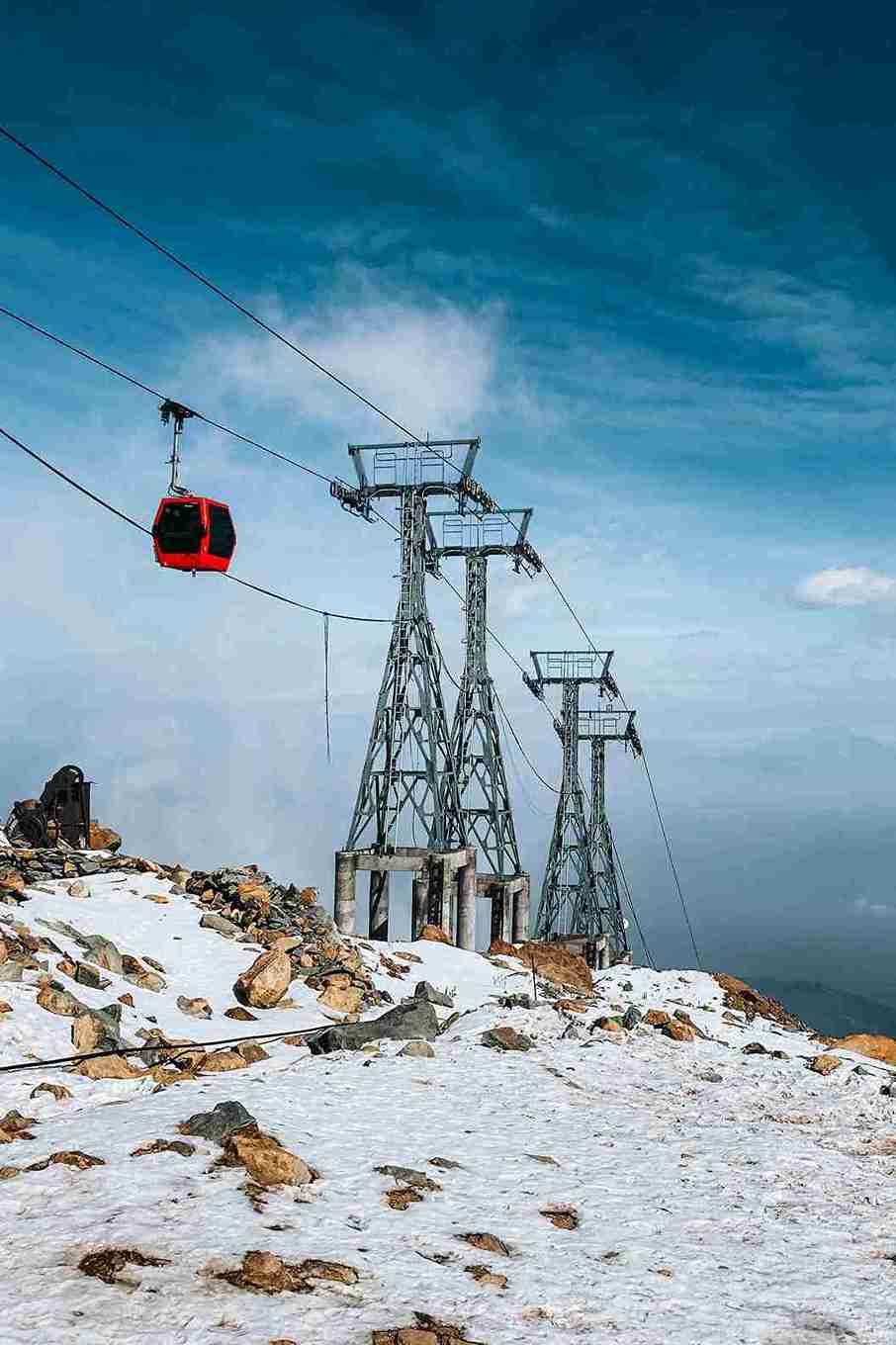
About 50 km west of Srinagar, the road climbs through pine forests and suddenly opens onto one of the most dramatic alpine landscapes in all of South Asia. Gulmarg — the Meadow of Flowers — sits at 2,650 metres in the Pir Panjal range, and it wears every season magnificently. In winter, it is a world-class ski destination with powdery slopes and the iconic Gulmarg Gondola lifting visitors to Apharwat Peak at 4,200 metres — one of the world's highest cable car rides. In summer, the entire bowl of the meadow fills with wildflowers of every colour, the golf course (the world's highest green golf course) hums with activity, and the views of Nanga Parbat — the world's ninth-highest peak — are unobstructed and extraordinary.
The Gulmarg Ski Resort, managed by J&K Tourism, offers slopes for all skill levels — from gentle beginner runs to challenging backcountry descents for advanced skiers. Certified instructors and equipment rental are both available. Heli-skiing over the Himalayas is also available for experienced skiers. In every season, the Gondola ride remains Gulmarg's single most popular activity — the Phase 2 ride to Apharwat Peak offers views that are genuinely among the most spectacular in India.
Top Attractions in Gulmarg:
- Gulmarg Gondola (Phase 1 & 2) – World's second-highest cable car; book online in advance via J&K Tourism
- Skiing & Snowboarding – Slopes from beginner to advanced; best December to March
- Gulmarg Golf Course – World's highest green golf course, open May to October
- Alpather Lake Trek – 13 km round trip from Gulmarg; a frozen lake at 14,400 ft — stunning and rarely visited
- Khilanmarg Meadow – 6 km trek from Gulmarg through wildflowers; panoramic mountain views
- Heli-skiing – Available for experienced skiers; some of Asia's best backcountry terrain
- ATV and Snow Sledge Rides – Available at Kongdori for families and first-timers
Best Time: December–March (skiing) | May–August (meadows & greenery) | Distance from Srinagar: 50 km | Temperature: -15°C to 20°C (seasonal)
Insider Tip: Book your Gondola tickets online at least 2–3 months in advance during peak season (January–February). The queues at the ticket counter can be very long on busy days.
3. Sonamarg – The Meadow of Gold
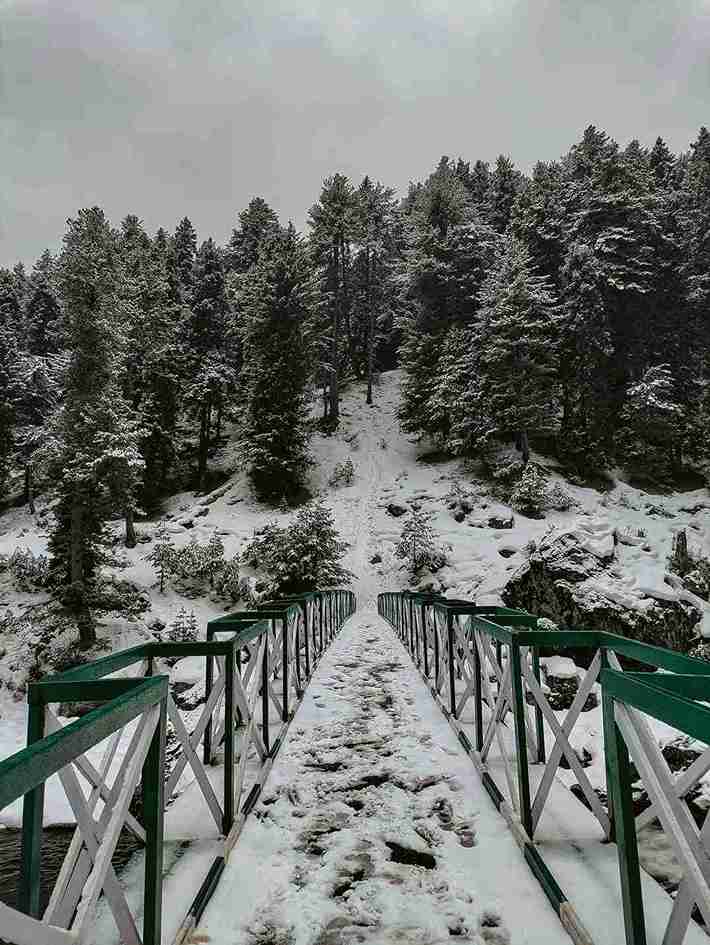
The drive to Sonamarg from Srinagar — 87 km northeast along the banks of the Sindh River — is itself one of Kashmir's great experiences. The river rushes alongside the road, the valley walls climb steeply on both sides, and as the road rises, the world becomes quieter, colder, and more spectacular. Sonamarg — the Meadow of Gold — earns its poetic name from the golden wildflowers that carpet its alpine meadow in summer, and from the way the evening light turns the surrounding snowfields a deep, burnished amber.
Sitting at 9,000 feet, Sonamarg is historically significant as a key stop on the ancient Silk Route connecting Kashmir to Central Asia, and today serves as the last major town before the Zojila Pass — the dramatic high-altitude gateway between Kashmir and Ladakh. Its star attraction, the Thajiwas Glacier, is one of the most accessible glaciers in India — just 3 km from the town on a beautiful trail through pine forests and alpine meadows, reaching a viewpoint where snow lies thick even in July.
Top Attractions in Sonamarg:
- Thajiwas Glacier Trek – 3 km trail from the town to a glacier viewpoint; easy to moderate; free entry
- Zero Point / Zojila Pass – 25 km from Sonamarg; dramatic high-altitude scenery at the Kashmir–Ladakh border
- Baltal Valley – 15 km from Sonamarg; base camp for the Amarnath Yatra (shorter Baltal route)
- Gadsar Lake – The Lake of Flowers; a multi-day trek destination accessible from Sonamarg
- Sindh River Trout Fishing & Rafting – The Sindh is one of Kashmir's best trout fishing rivers; white-water rafting also available
- Gangabal Lake Trek – A 3–5 day scenic trek from Sonamarg to twin alpine lakes beneath Harmukh peak
Best Time: May to October (trekking & sightseeing) | January–March (snowfields, road-access dependent) | Distance from Srinagar: 87 km | Temperature: -8°C to 22°C (seasonal)
Insider Tip: Private cars are not permitted beyond the Sonamarg checkpoint towards the glacier — only local taxis, trekking on foot, or pony rides are allowed. Always check road conditions before travelling in winter or early spring as the highway can close after heavy snowfall.
4. Gurez Valley – Kashmir's Most Remote Masterpiece
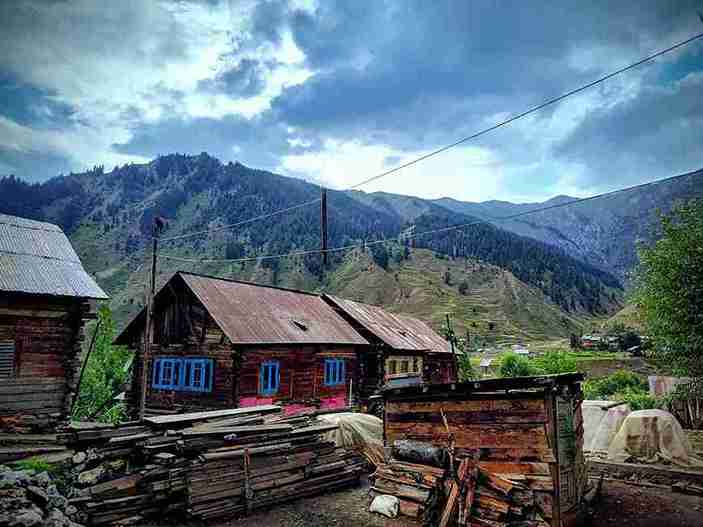
If you want to understand what Kashmir looked like before tourism found it, go to Gurez. This remote, high-altitude valley — sitting at 2,400 metres in the Bandipora district, about 133 km north of Srinagar — was restricted to outsiders for decades and only opened to domestic tourists relatively recently. That restricted past is its greatest gift: Gurez remains one of the most unspoiled, crowd-free, and genuinely extraordinary valley experiences in all of Kashmir, or indeed all of India.
The valley is inhabited by the Shina-speaking Dard people, whose ancient culture, traditional wooden houses with carved balconies, and warm hospitality have survived largely unchanged. The Kishanganga River (known downstream as the Neelum River in Pakistan) cuts through the valley in great silver curves, flanked by dense pine forests and snow-capped ridges. The pyramid-shaped Habba Khatoon Peak, named after Kashmir's celebrated 16th-century poetess, rises dramatically at one end of the valley — one of the most iconic mountain silhouettes in the region.
Gurez is for those who travel to experience places, not just see them. It is a valley of long walks, slow conversations with locals, starlit nights, and the particular silence that comes only when you are genuinely far from everywhere else.
Top Attractions in Gurez:
- Habba Khatoon Peak – The valley's iconic pyramid-shaped peak; extraordinary at sunrise and sunset
- Kishanganga River – Rafting, camping, fishing, and riverside walks along one of Kashmir's wildest rivers
- Razdan Pass – Scenic high-altitude pass on the road to Gurez; panoramic views of the surrounding ranges
- Tulail Valley – A sub-valley of Gurez even further off the beaten track; villages, meadows, and complete solitude
- Dard Culture & Village Walks – Interact with the Shina-speaking Dard community in their traditional wooden villages
- Wular Lake – Asia's largest freshwater lake, reachable en route to Gurez from Srinagar
Best Time: April to October (valley is inaccessible by road in winter) | Distance from Srinagar: 133 km | Temperature: -5°C to 25°C (seasonal)
Insider Tip: Carry enough cash before entering Gurez — there are no ATMs in the valley. Accommodation options are limited to basic guesthouses and homestays; book in advance. The road to Gurez involves sharp bends and steep climbs — hire an experienced local driver.
5. Pahalgam – The Valley of Shepherds
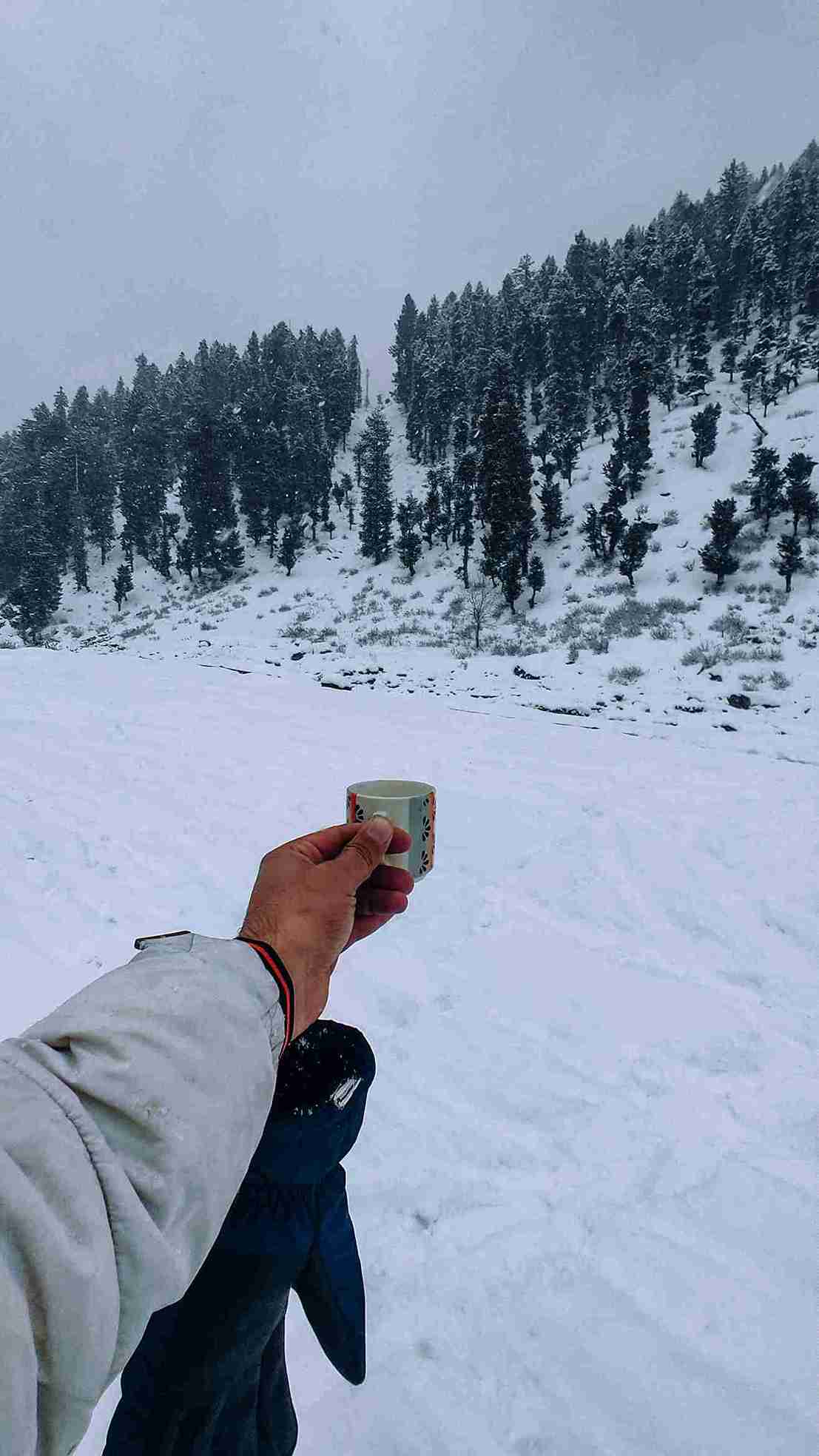
Pahalgam is the kind of place that earns its reputation without trying. Nestled at 2,130 metres in the Anantnag district, 95 km east of Srinagar, this former shepherd's village now ranks among Kashmir's most beloved destinations — not because of anything it has built or staged, but simply because of what it is: a wide, pine-flanked valley where the crystal-clear Lidder River rushes between banks of smooth grey stone, and the air is so clean and still in the mornings that you can hear the river from your hotel window half a kilometre away.
Pahalgam is the gateway to the annual Amarnath Yatra pilgrimage via the Chandanwari route — one of India's most important spiritual journeys. Outside of the pilgrimage season, it is a destination for everyone: honeymooners who walk beside the river at dusk, families who let their children run in the meadows of Baisaran, trekkers who set off from Aru Valley towards the Kolahoi Glacier and Tarsar Marsar lakes, and Bollywood filmmakers who have been shooting here for decades — Betaab Valley is literally named after a 1983 film.
Top Attractions in Pahalgam:
- Betaab Valley – 15 km from Pahalgam; lush meadow and crystal-clear river made famous by Bollywood; entry ₹50 per person
- Aru Valley – 12 km from Pahalgam; pristine village and base camp for treks to Kolahoi Glacier and Tarsar Marsar lakes
- Baisaran (Mini Switzerland) – Pine-ringed meadow reachable by pony; panoramic mountain views with no motorable road access
- Chandanwari – 16 km from Pahalgam; the starting point of the Amarnath Yatra and a beautiful glacier snowfield destination
- Lidder River – White-water rafting, trout fishing, and riverside walks through the valley
- Overa-Aru Biosphere Reserve – A protected wildlife zone around Aru Valley home to Musk Deer, Snow Leopard, and Himalayan Brown Bear
Best Time: April to October (all activities) | December to February (snow experiences) | Distance from Srinagar: 95 km | Temperature: -3°C to 24°C (seasonal)
Insider Tip: Pony rides to Baisaran are the most popular activity in Pahalgam — agree on the price firmly in advance before starting. The most reliable window for heavy snowfall in Pahalgam is 20th December to 10th January.
6. Yusmarg – The Valley of Jesus, Untouched and Unhurried
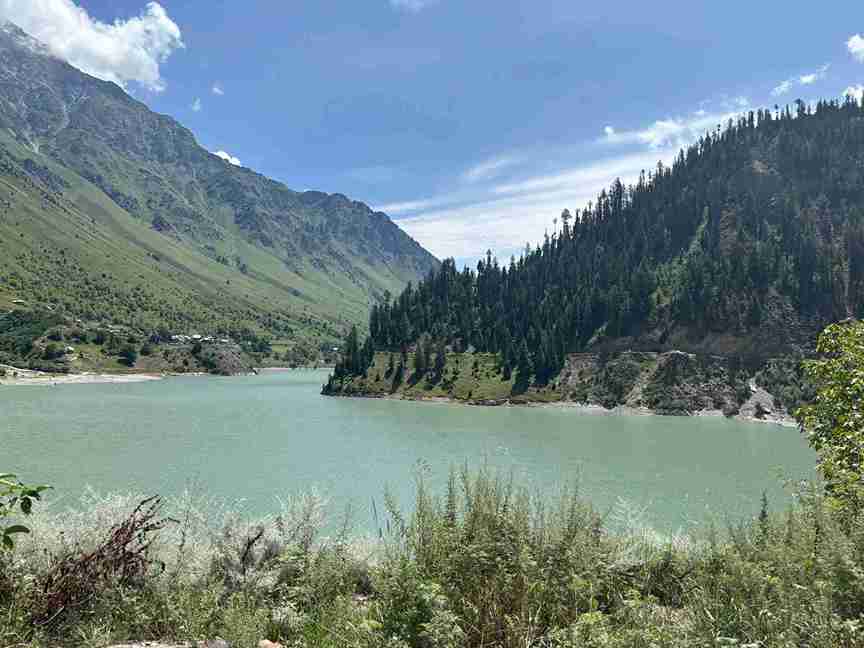
Most people who visit Kashmir never make it to Yusmarg — and that is precisely what makes it so special. Located 47 km southwest of Srinagar in the Budgam district, Yusmarg (Meadow of Jesus) is an alpine plateau at 2,600 metres, encircled by dense forests of pine and fir and overlooked by the snow-capped Tosa Maidan range. It receives heavy snowfall in winter and becomes a lush, wildflower-scattered meadow in summer — but because it sits in the shadow of Kashmir's more famous names, it remains wonderfully, genuinely uncrowded.
There are no ski resorts here, no gondolas, no commercial activity to speak of — just the meadow, the forest, the mountains, and the sky. Local homestays offer warm Kashmiri hospitality at honest prices. The nearby meadow of Doodhpathri (Valley of Milk), 10 km from Yusmarg, is equally beautiful and even less visited — white streams flowing through impossibly green grasslands, dairy farms tucked into the hillsides, and a silence broken only by cowbells and wind.
Top Attractions in Yusmarg:
- Yusmarg Meadow – Open alpine meadow perfect for picnics, nature walks, pony rides, and photography
- Doodhpathri – 10 km from Yusmarg; the Valley of Milk — lush green meadows and white-water streams
- Nilnag Lake – A peaceful, forest-ringed lake within trekking distance; ideal for bird photography
- Trekking Trails – Several easy to moderate trails through pine forests and into the surrounding Tosa Maidan range
- Birdwatching – Yusmarg's forests are rich with Himalayan bird species year-round
Best Time: March to November | December to February for snow | Distance from Srinagar: 47 km | Temperature: -4°C to 22°C (seasonal)
Insider Tip: Yusmarg is best visited as a day trip from Srinagar or as a 1–2 night stay in a local homestay. It pairs perfectly with Doodhpathri for a full day of offbeat Kashmir exploration.
Kashmir Destinations – Complete Distance & Highlights Table
| Destination | Distance from Srinagar | Altitude | Best For | Best Time |
|---|---|---|---|---|
| Srinagar | Base City | 1,585 m | Culture, Lakes, Houseboats, Gardens | March – October |
| Gulmarg | 50 km | 2,650 m | Skiing, Gondola, Adventure Sports | Dec–Mar (snow) | May–Aug (meadows) |
| Sonamarg | 87 km | 2,740 m | Glacier, Trekking, Zero Point | May – October |
| Gurez Valley | 133 km | 2,400 m | Offbeat, Culture, Photography | April – October |
| Pahalgam | 95 km | 2,130 m | Valleys, Trekking, Family Trips | April – October |
| Yusmarg | 47 km | 2,600 m | Quiet Meadows, Day Trips, Picnics | March – November |
Suggested Kashmir Itineraries
- 5 Days – Kashmir Classic: Day 1–2: Srinagar (Dal Lake, Mughal Gardens, houseboat stay) → Day 3: Gulmarg (Gondola, snow/meadow activities) → Day 4: Pahalgam (Betaab Valley, Aru Valley, Lidder walk) → Day 5: Srinagar (Old City, markets, departure)
- 7 Days – Kashmir Complete: Add Sonamarg (Day 5: Thajiwas Glacier Trek) and Yusmarg (Day 6: meadow and Doodhpathri) to the 5-day itinerary.
- 10–12 Days – Kashmir Immersive: All of the above plus 2 nights in Gurez Valley for the full offbeat Kashmir experience. Combine with a day trip from Srinagar to the Wular Lake and Baramulla.
How to Reach Kashmir
By Air: Sheikh ul-Alam International Airport in Srinagar is well connected to Delhi, Mumbai, Bengaluru, Chennai, Kolkata, and other major Indian cities by IndiGo, Air India, SpiceJet, and Vistara. Flights take 1.5 hours from Delhi. Book tickets 2–3 months in advance for peak summer and winter seasons.
By Train: The Udhampur–Srinagar–Baramulla Rail Link connects Srinagar to the national rail network. The most scenic option is the train from Jammu or Banihal through mountain tunnels. Srinagar's railway station connects to Anantnag, Budgam, Baramulla, and Banihal.
By Road: Srinagar is connected to the rest of India via NH-44 from Jammu (approximately 300 km, 8–10 hours). The road passes through Banihal, the Jawahar Tunnel, and the Banihal Railway Tunnel — all part of the scenic and dramatic journey into the valley. JKSRTC buses and private Volvos operate from Delhi, Jammu, and Chandigarh to Srinagar.
Kashmir Food Guide – What to Eat
A Kashmir trip is incomplete without diving into the richness of its food culture. The Wazwan — a traditional multi-course Kashmiri feast — is the pinnacle of the region's culinary tradition, featuring up to 36 dishes. Must-try Kashmiri foods include:
- Rogan Josh – Slow-cooked aromatic lamb curry with Kashmiri chilies; the signature dish of Kashmiri cuisine
- Gushtaba – Minced mutton balls in a creamy yoghurt gravy; the grand finale dish of the Wazwan
- Harissa – A slow-cooked winter breakfast of mutton and wheat; deeply warming and available at Old City eateries in Srinagar from dawn
- Dum Aloo – Spiced baby potatoes in a tomato and yoghurt gravy; the finest vegetarian dish of the Kashmiri table
- Kahwa – Saffron-spiced green tea with almonds and cardamom; served at every houseboat, guesthouse, and home in Kashmir
- Noon Chai (Sheer Chai) – Pink, salty tea brewed with baking soda and milk; unusual, warming, and entirely Kashmiri
Travel Tips for Kashmir
- Carry cash: ATMs are unavailable in Gurez, Sonamarg's upper reaches, and many smaller valleys. Always withdraw enough in Srinagar before heading out.
- Hire local drivers: Local cab drivers know road conditions, seasonal closures, and shortcuts intimately. Hire an Innova or similar SUV for mountain routes. Avoid self-driving in unfamiliar mountain terrain.
- Book early: Srinagar houseboats, Gulmarg ski resorts, and Pahalgam riverside cottages fill up months in advance during peak seasons (April–June and December–January).
- Pack for the altitude: Even in summer, Gulmarg and Sonamarg evenings are cold. Always carry a fleece jacket regardless of the season. In winter, pack thermals, waterproof snow boots, thick gloves, and a warm cap.
- Use sunscreen: High-altitude UV radiation is intense year-round. Carry SPF 50+ sunscreen and UV-protection sunglasses for all outdoor activities.
- Carry valid ID: A government-issued photo ID (Aadhaar, Passport, or Driving Licence) is required at multiple checkpoints across Jammu & Kashmir.
- Respect the environment: Do not litter in the valleys, meadows, or near water bodies. Carry a small bag for your trash, especially on treks to Thajiwas and the Pahalgam valleys.
FAQs About Places to Visit in Kashmir
What are the best places to visit in Kashmir?
The best places to visit in Kashmir are Srinagar (Dal Lake, Mughal Gardens, houseboats), Gulmarg (skiing, Gondola, meadows), Sonamarg (Thajiwas Glacier, Zero Point), Gurez Valley (offbeat, scenic, cultural), Pahalgam (Betaab Valley, Aru Valley, trekking), and Yusmarg (alpine meadows, Doodhpathri).
What is the best time to visit Kashmir?
March to October is the best overall time. Spring (March–May) is ideal for tulips and flowers. Summer (June–August) is peak season for meadows and outdoor activities. Autumn (September–November) offers golden foliage and fewer crowds. December to February is perfect for snow and skiing in Gulmarg.
How many days are needed to cover Kashmir?
A minimum of 5–6 days covers the Kashmir Classic (Srinagar, Gulmarg, Pahalgam). 7–8 days allows for a more relaxed pace and includes Sonamarg. A 10–12 day trip covers all destinations including the offbeat Gurez Valley and Yusmarg.
Do Indian citizens need a permit to visit Kashmir?
No, Indian citizens do not need any special permits to visit the tourist areas mentioned in this guide — Srinagar, Gulmarg, Sonamarg, Pahalgam, Gurez, and Yusmarg. Always carry a valid government-issued photo ID as it is required at checkpoints.
Is Kashmir safe for tourists in 2026?
Yes, Kashmir is safe for tourists. The valley has seen record tourist arrivals in recent years with significantly improved infrastructure and security. Stick to established tourist routes, follow local advice, and your trip will be safe and memorable.
What is the best time to visit Gulmarg for skiing?
December to March is the best time for skiing in Gulmarg. January and February offer the most consistent and deepest snow. Gondola tickets should be booked online in advance during this period.
Which is better — Pahalgam or Gulmarg?
Both offer very different experiences. Gulmarg is better for skiing, Gondola rides, and snow sports. Pahalgam is better for valley walks, trekking, riverside scenery, and family trips. Ideally, visit both — they are only 145 km apart.
Is Gurez Valley open for tourists?
Yes, Gurez Valley is open to Indian tourists from April to October. It is inaccessible in winter due to heavy snowfall and road closures. Foreign nationals should check current travel advisories before visiting Gurez as it is close to the Line of Control.
Plan Your Kashmir Trip With Thrill Top Journeys
- From Srinagar houseboat bookings to Gulmarg Gondola tickets and custom Kashmir itineraries — we plan every detail so you just show up and experience.
- Book Now! +91 9797776779
Author Bio
Basit Bhat is a travel writer and Kashmir expert with years of experience documenting the valley's most extraordinary destinations. Through Thrillop, he helps travellers go beyond the tourist trail and experience Kashmir the way it deserves to be experienced.