
Kashmir Great Lakes Trek 8 Days • 72 km • Seven Alpine Lakes • One Legendary Himalayan Adventure
Some treks are beautiful. Others stay with you long after you've returned home. The Kashmir Great Lakes Trek belongs firmly in the second category.
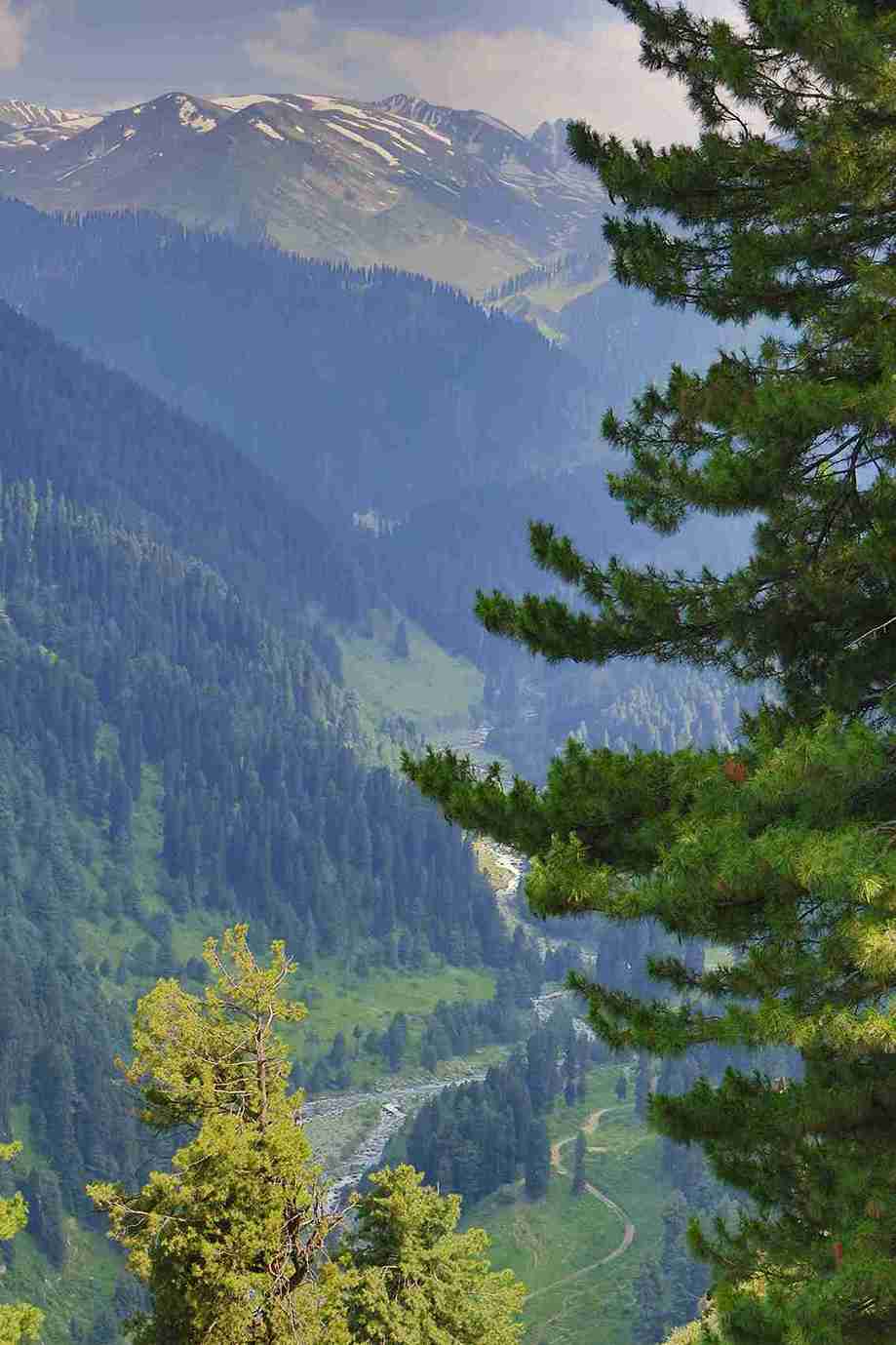
Over eight unforgettable days, you'll cross lush meadows, glacier-fed streams, rocky mountain passes, and pristine alpine lakes that seem almost unreal. Starting from the scenic valley of Sonamarg and ending near the historic village of Naranag, this trek showcases a side of Kashmir few travelers ever experience.
The route covers approximately 72 kilometres, climbs to an altitude of nearly 4,200 metres at Gadsar Pass, and passes seven spectacular high-altitude lakes— each with its own unique character. From pine forests and wildflower-covered grasslands to snow-covered ridges and crystal-clear water reflecting the surrounding mountains, every day offers something completely different.
If you've already completed a few Himalayan treks and are looking for your next big challenge, this is the trek that deserves a place on your bucket list.
Quick Trek Facts
| Category | Details |
|---|---|
| Duration | 8 Days / 7 Nights |
| Trek Distance | Approximately 72 km |
| Maximum Altitude | 4,200 metres (Gadsar Pass) |
| Difficulty Level | Moderate to Difficult |
| Best Season | July to September |
| Starting Point | Sonamarg |
| Ending Point | Naranag |
| Ideal Group Size | 6+ trekkers for better logistics and cost sharing |
Highlights of the Kashmir Great Lakes Trek
- Cross the famous Gadsar Pass at an elevation of approximately 4,200 metres.
- Visit seven breathtaking alpine lakes surrounded by snow-capped Himalayan peaks.
- Walk through dense pine forests, endless meadows, and colourful wildflower valleys.
- Experience authentic Himalayan camping beneath clear night skies.
- Capture some of Kashmir's most photogenic landscapes away from tourist crowds.
- Complete one of India's most iconic multi-day Himalayan trekking routes.
Best Time to Do the Kashmir Great Lakes Trek
The trekking season is relatively short, making timing especially important. The ideal window is from July to early September, when the snow has melted from most mountain passes, the weather becomes comparatively stable, and the alpine meadows transform into lush green landscapes filled with wildflowers.
Trekkers choosing late June often encounter lingering snow near Gadsar Pass. While these snow fields create spectacular photography opportunities, they also make certain sections more challenging and physically demanding.
By the middle of September, temperatures begin dropping rapidly, especially after sunset. Nighttime camping becomes significantly colder, and most trekking operators gradually conclude their Great Lakes departures before the onset of autumn weather.
| Month | Trail Conditions | Recommended |
|---|---|---|
| Late June | Snow patches remain on higher passes | Experienced trekkers only |
| July | Green meadows and pleasant weather | ★★★★★ |
| August | Peak trekking season with excellent visibility | ★★★★★ |
| Early September | Cooler weather and fewer crowds | ★★★★☆ |
| Late September onwards | Cold nights and changing weather | Not recommended |
Is the Kashmir Great Lakes Trek Right for You?
Let's be honest—this isn't designed as a first-time trekking experience.
You'll spend seven consecutive nights camping in remote mountain camps, cross high-altitude passes exceeding 3,500 metres, and walk anywhere between 9 and 14 kilometres on the longer trekking days. Good physical fitness, stamina, and some previous trekking experience make the journey considerably more enjoyable.
If you've already completed one or two Himalayan treks—or you regularly participate in long hikes, trail runs, or endurance activities—you'll likely adapt well to the demands of this expedition.
However, if this would be your very first multi-day trek, we generally recommend starting with a shorter route before attempting the Great Lakes circuit.
- Suitable for trekkers with previous Himalayan trekking experience.
- Ideal for physically active travellers comfortable with long hiking days.
- Not recommended as a first-ever trekking experience.
- Beginners should consider the Naranag–Gangabal Lake Trek, which covers the final section of this famous route while remaining shorter and easier.